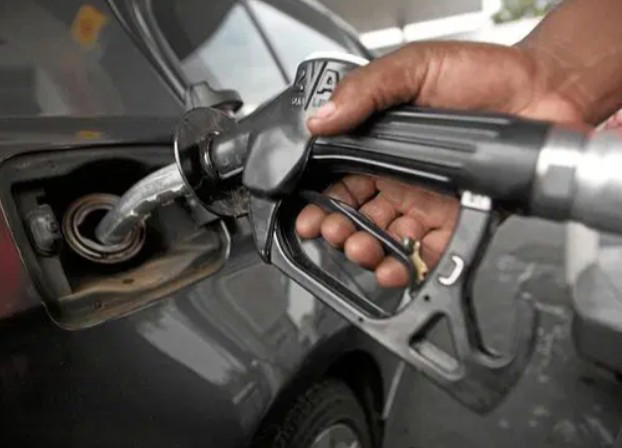
As crude oil prices, including Nigeria's Bonny Light, plummet to $98 per barrel, consumers face stagnant pump prices, raising questions about market dynamics. The decline stems from speculation surrounding a potential resolution to the US-Iran conflict, which has previously fueled volatility in the oil market. Despite this drop, fuel marketers have opted to maintain elevated pump prices, suggesting a disconnect between crude costs and retail pricing.
Udeme Akpan, an energy analyst, emphasized, "While the decrease in crude prices is significant, marketers often adjust their pricing based on various factors including operational costs and market expectations." This statement underscores the complexities of the oil market, where pricing decisions are influenced by more than just immediate crude prices.
As the conflict's resolution appears imminent, the sustained high pump prices may spark public discontent and calls for government intervention. Looking ahead, it remains crucial for policymakers to address the pricing mechanisms in the oil sector to ensure fair pricing for consumers while stabilizing the economy amid fluctuating global oil markets. The coming weeks will be pivotal for both consumers and marketers as they navigate this evolving landscape.