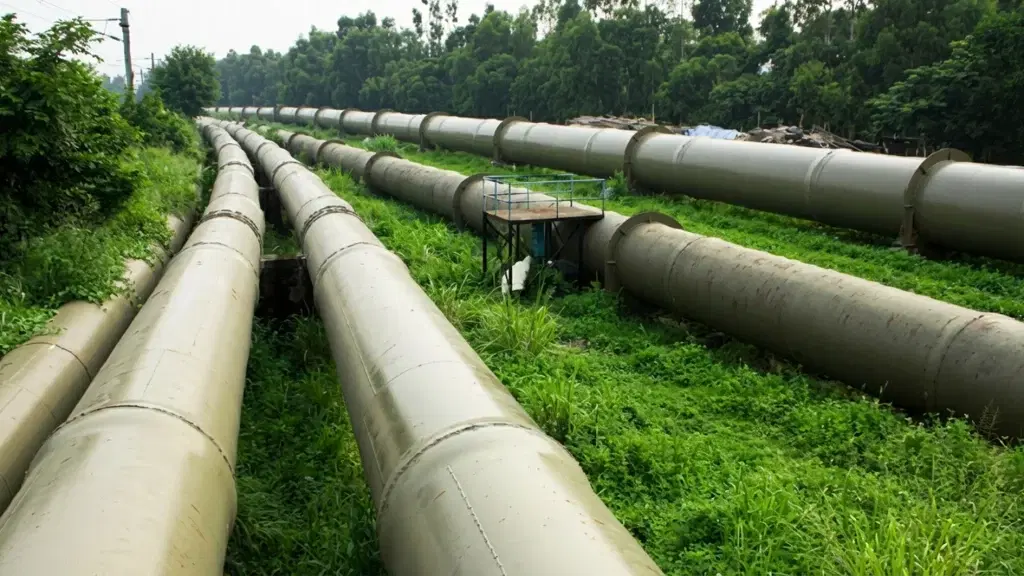
Oil prices surged over four percent on July 13, 2026, reaching approximately $79 per barrel, as escalating tensions between the United States and Iran sparked fears of potential disruptions to global crude supplies. This uptick in prices follows a series of confrontational exchanges, including military maneuvers in the Gulf region and sanctions that threaten Iran's oil exports.
Industry analysts warn that sustained conflict could lead to significant market volatility. "The geopolitical landscape is fragile, and any disruption in supply could trigger further price hikes," said Sarah Johnson, Senior Energy Analyst at Global Insights. This sentiment echoes broader concerns about how Middle Eastern instability often reverberates throughout the global economy.
Looking ahead, stakeholders remain vigilant as the situation develops. If hostilities continue, oil prices could see further increases, impacting not just consumers but also broader economic conditions worldwide. The persistence of these tensions underscores the delicate balance of energy security and international diplomacy, making it crucial for market players to monitor developments closely. As nations navigate this precarious landscape, the potential for long-term shifts in energy policy may also emerge.
