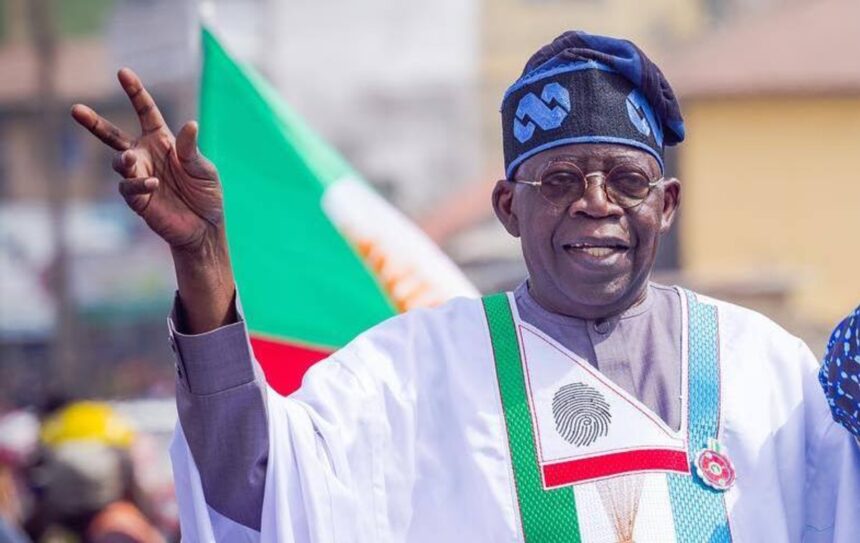
Nigeria's oil and gas industry is witnessing a transformative phase under President Bola Ahmed Tinubu’s leadership, spurred by aggressive reforms aimed at attracting investments. The introduction of executive orders and fiscal incentives, particularly for deepwater and gas developments, signals a renewed governmental commitment to revitalize a sector long plagued by inefficiencies and corruption. Notably, the removal of deduction powers from NNPC Limited is expected to enhance transparency and boost investor confidence.
Despite these promising reforms, significant challenges remain in increasing oil production to meet both domestic and international demands. Stakeholders are cautious; as Nigeria National Petroleum Corporation (NNPC) Limited CEO Mele Kyari stated, "While we welcome the reforms, we must address the infrastructural deficits that hinder our output capacity." The sentiment reflects a shared concern that without substantial investments in infrastructure, the promising policy landscape may not translate into tangible production increases.
Looking ahead, the success of these reforms will hinge on effective implementation and collaboration between the government and private sector. If these hurdles can be overcome, Nigeria's oil and gas sector may finally fulfill its potential as a cornerstone of national growth and stability.
