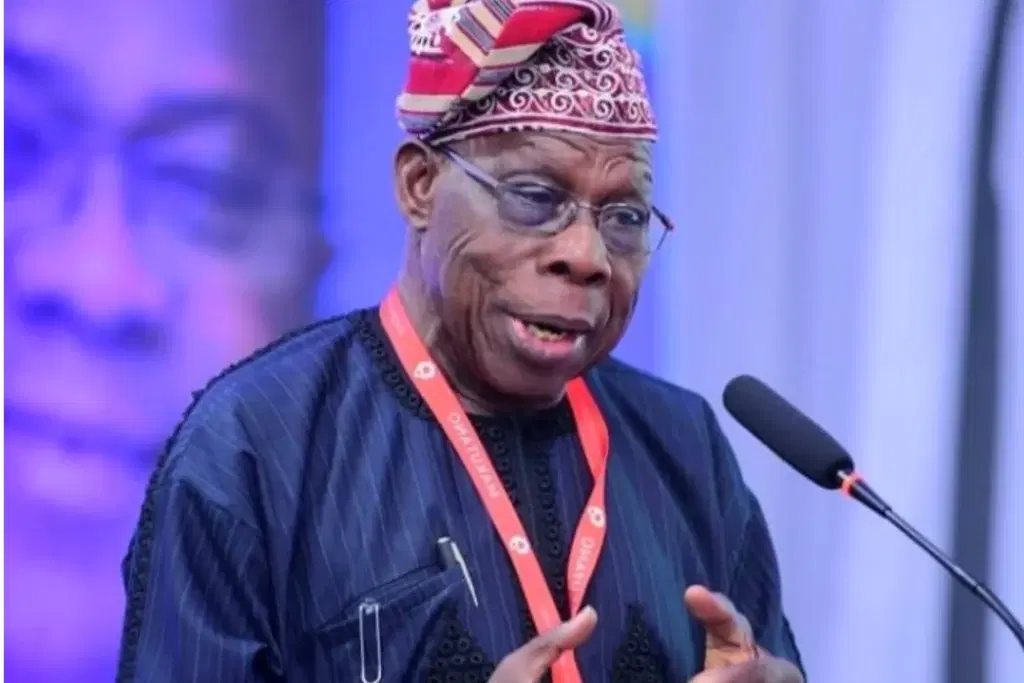
Former President Olusegun Obasanjo has firmly rebutted allegations made by Chief Olusegun Osoba, the former Ogun State Governor, who accused him of deceiving leaders of the Alliance for Democracy (AD) during the 2003 political realignments. This controversy stems from a critical period in Nigeria's political history when strategic alliances were pivotal for electoral success. Obasanjo asserts that his actions were aimed at uniting the country, stating, "I have always been transparent in my dealings and sought the best for our democracy."
The 2003 elections were characterized by intense political maneuvering, with Obasanjo's administration facing challenges from various opposition parties. Osoba's claims highlight ongoing tensions within Nigeria’s political landscape, as former allies grapple with past grievances. Obasanjo's defense emphasizes a commitment to a cohesive political strategy rather than deceit.
Looking ahead, this exchange reflects deeper rifts within Nigerian politics, suggesting that unresolved historical grievances may influence upcoming electoral strategies. As campaigns for the next elections gain momentum, the implications of these accusations could shape party alliances and voter perceptions, making the political landscape even more complex.