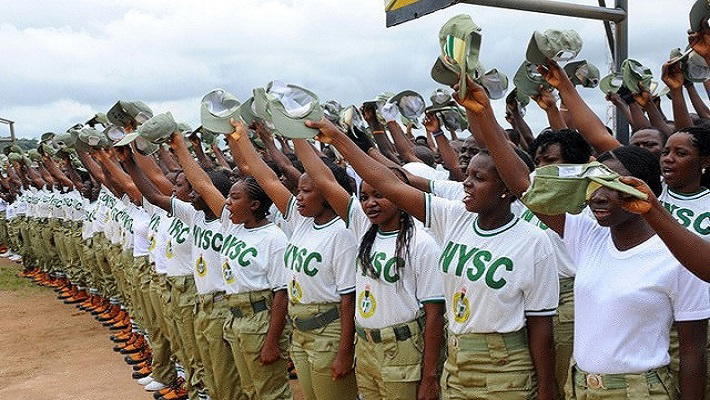
The recent proposal by the federal government to reform the National Youth Service Corps (NYSC) has ignited robust discussions about the program's future. Established in 1973 to foster national unity, the NYSC has faced criticism for its relevance and effectiveness in today’s socio-political landscape. Key stakeholders are questioning whether a comprehensive overhaul is necessary or if incremental changes would suffice.
In a recent statement, Suleiman A. Suleiman, a prominent commentator, remarked, "The current framework of the NYSC fails to address the pressing needs of our youth and the nation at large." This sentiment reflects a growing consensus among experts who believe that the program must evolve to better equip graduates for the challenges of modern Nigeria. Proposals range from integrating vocational training to enhancing the scheme’s role in community development.
As the government moves forward, the effectiveness of these reforms will hinge on stakeholder engagement and public support. The NYSC has the potential to become a transformative experience for youth, but only if it adapts to the changing demands of society and the economy. How this will unfold remains to be seen, but the need for change is clear.

