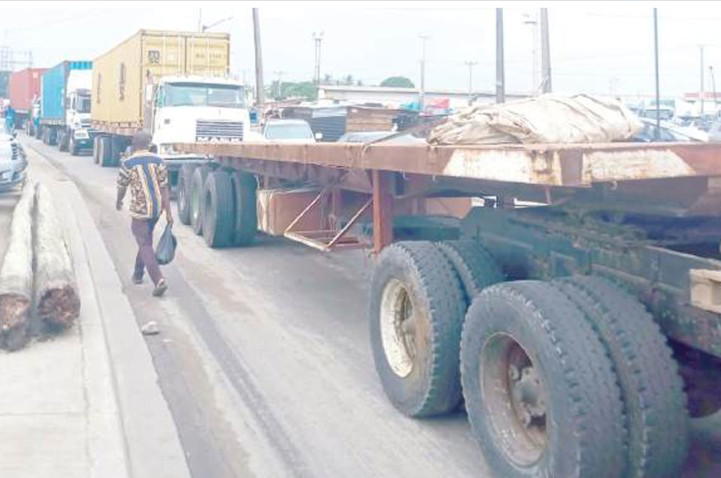
The recent blockade of the Mile 2-Apapa expressway by tankers has once again spotlighted the ongoing crisis in Nigeria’s transportation infrastructure. On June 8, motorists and commuters faced severe delays as an influx of tankers obstructed access routes, exacerbating an already dire situation that has persisted for years. The Nigerian Ports Authority (NPA) and the Nigerian Maritime Administration and Safety Agency (NIMASA) have been criticized for their inaction amid this escalating chaos.
The congestion not only highlights the inefficiencies in port management but also raises questions about the lack of a coordinated response from regulatory bodies. “We need urgent solutions to this crisis; the current state of affairs is unacceptable,” stated Dr. Mohammed Koko, Managing Director of NPA. His remarks underscore a mounting frustration among stakeholders who demand immediate action to prevent further economic disruption.
As the situation unfolds, there is an urgent need for a strategic plan that addresses both immediate traffic management and long-term infrastructure enhancement. Without decisive intervention, the gridlock will continue to stifle trade and economic growth, leaving Nigeria’s logistics sector in a precarious position.