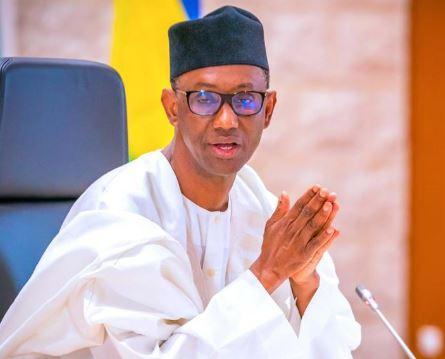
The political landscape in Northern Nigeria is witnessing a significant shift following the controversial fall of Nuhu Ribadu, a figure once emblematic of anti-corruption efforts. President Bola Ahmed Tinubu’s recent establishment of a parallel Special Adviser on Homeland Security has sparked debate, indicating deeper security concerns beyond mere administrative reshuffling. This move comes as the region grapples with escalating violence and insecurity, further complicating governance.
Ribadu's departure underscores a broader struggle within the Northern political elite, grappling with the balance of power and public trust. As Suleiman A. Suleiman notes, “The emergence of new security advisories signals a shift in strategy that may alienate traditional power holders.” This sentiment reflects fears that such actions might undermine established political alliances in a region where loyalty often shapes leadership dynamics.
Looking ahead, the Northern political class must adapt to these evolving challenges. The implications of Tinubu’s decisions could reshape political allegiances, prompting a re-evaluation of security frameworks and governance approaches. As the region navigates this turbulent period, the outcomes will be critical in determining the future stability and unity of Northern Nigeria.
