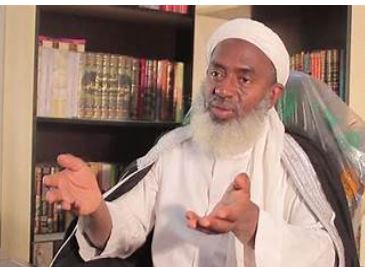
Sheikh Ahmad Gumi's recent declaration that "nobody can stop me from visiting any part of Nigeria" underscores a growing tension surrounding freedom of movement amid rising Islamophobia and political polarization in the country. Gumi, a controversial Islamic cleric known for his engagement with banditry and security issues, has faced backlash for his views and interactions with various political factions in the South-West region.
His comments come as he reflects on how Islamophobia is shaping local politics, a sentiment echoed by political analysts who argue that religious and ethnic identities are increasingly influencing voter behavior and political allegiances. Gumi's statement suggests a defiance against perceived restrictions and a challenge to the narratives that seek to marginalize certain groups. "I now understand how Islamophobia is shaping politics in the South-West," he noted, indicating a deeper awareness of the complexities at play.
As Nigeria prepares for upcoming elections, the interplay of religion and politics will be critical. Gumi's visitations may serve as a litmus test for social cohesion, revealing whether the country can navigate its identity politics without further fracture. The implications of his actions will undoubtedly resonate throughout the political landscape as the nation grapples with its diverse fabric.