Tensions in the Middle East continue to escalate as Hezbollah's rocket fire against Israel has drawn Lebanon into a complex conflict following the assassination of Iran's supreme leader. This violence, ignited on March 2, reflects the intricate web of regional alliances and animosities, particularly between Iran, Hezbollah, and Israel, further complicating the geopolitical landscape.
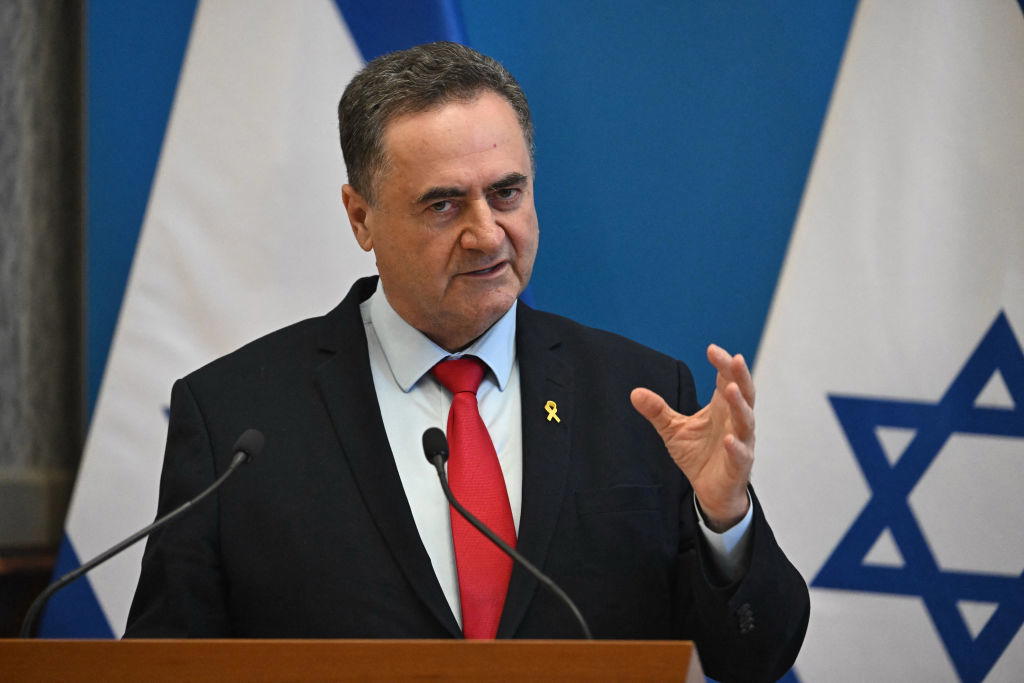
Israeli Defense Minister Yoav Gallant has stated unequivocally, "There is no US demand for us to withdraw from Lebanon," emphasizing Israel's determination to maintain its military posture in the region. This assertion comes amidst increased scrutiny of US involvement and its implications for regional security. The absence of American pressure for an Israeli withdrawal suggests a tacit endorsement of Israel's actions, potentially emboldening its military strategy against Hezbollah.
Looking ahead, the situation remains precarious, with the potential for further escalation as regional actors reassess their strategies. The interplay between US policy, Israeli defense measures, and Hezbollah's responses will shape not only Lebanon's immediate future but also the broader dynamics of Middle Eastern stability. As the conflict unfolds, the international community must remain vigilant to avoid a deeper crisis.