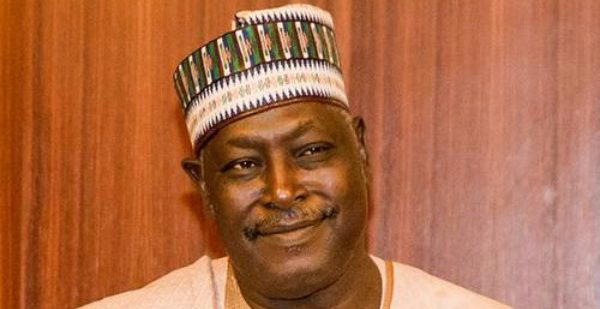
In a decisive stance against terrorism, Kaduna State Governor Uba Sani has called for the complete eradication of terrorist groups operating in the region. His rejection of amnesty or dialogue marks a significant shift in the state's approach to security, emphasizing a hardline strategy amid rising violence. This declaration comes as Kaduna has faced escalating attacks, prompting urgent calls for action from both government officials and local communities.
Governor Sani stated, "These terrorists have forfeited their right to exist in our society," highlighting a growing frustration with the ongoing threat to peace and stability. His comments reflect a broader sentiment among Nigerians who have endured years of insecurity, particularly in the northern regions. The governor's commitment to a military-focused response raises questions about the potential repercussions for civilian safety and the long-term efficacy of such measures.
As Kaduna grapples with the implications of this tough stance, the efficacy of military action versus dialogue remains a contentious issue. The governor's approach may galvanize support among constituents seeking immediate safety, but it risks alienating potential peace-building efforts. The coming months will be crucial in determining the sustainability of this security strategy.