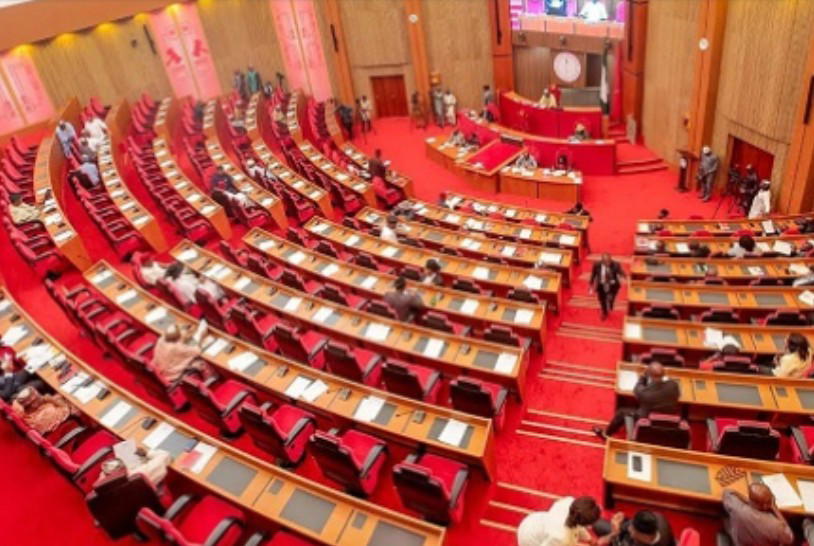
The Senate's recent assertion that no petitions are filed regarding the contentious Presidential Foreign Intervention Promotion Council (PFIPC) raises significant questions about transparency and accountability in Nigerian governance. Amidst ongoing debates over the legitimacy of the agency and its purported director, the Senate has confirmed that PFIPC has a designated budget line in the 2026 Appropriation Act, suggesting official recognition despite its controversial status.
Senator Adaramodu emphasized the Senate's position, stating, "We have not received any formal complaints regarding this agency, and until such petitions are presented, we cannot act." This statement illustrates the procedural hurdles that may hinder public scrutiny of the PFIPC, which many critics argue operates without adequate oversight.
As the discourse on governance and budgetary allocations unfolds, the absence of a formal petition could embolden the agency's operations without public accountability. Stakeholders will be keenly watching how this situation develops, particularly as citizens demand greater transparency from government institutions. The Senate's stance may prompt civil society and concerned citizens to mobilize for a review of the agency’s activities, ensuring that the principles of democratic governance are upheld.
