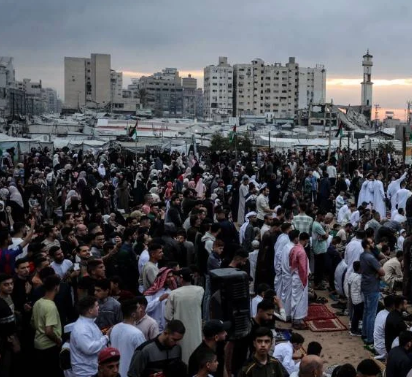
As Eid al-Fitr approaches, the mood in Gaza is overshadowed by ongoing conflict and economic hardship, marking a stark contrast to the traditional celebrations associated with the holiday. This year, many families are unable to afford new clothes, sacrificial sheep, or even basic food items like Eid biscuits, leaving the festive spirit diminished. Reports indicate that prices have surged due to supply shortages and restrictions, forcing residents to abandon long-held customs.
Local shopkeeper Amina Khalil expressed the deepening despair, stating, "I go to the market only to look around because I cannot buy anything." Such sentiments reflect a broader sense of hopelessness as the economic situation continues to deteriorate, exacerbated by the blockade and military operations in the region. The impact is felt most acutely among children, who miss out on the joy of receiving gifts and participating in community festivities.
Looking ahead, the humanitarian crisis in Gaza raises pressing questions about the future of Eid celebrations and the broader socio-economic stability of the region. Without significant intervention, the cycle of despair may deepen, leaving future generations to grapple with the repercussions of a prolonged conflict.