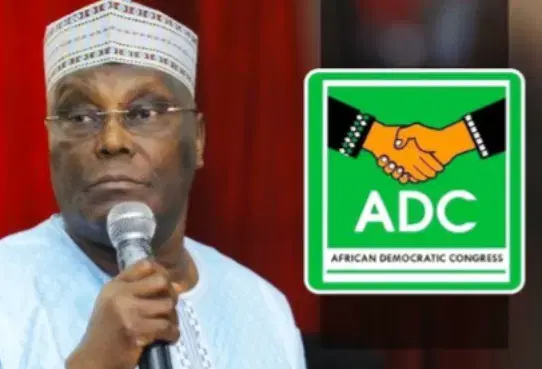
In a significant political development, Atiku Abubakar has firmly rejected allegations of rigging in the African Democratic Congress's presidential primary, following Babachir Lawal's resignation from the party. Lawal's departure on Monday was accompanied by claims that the primary process was manipulated, raising questions about the integrity of the party's internal democracy.
Atiku, a prominent figure in Nigerian politics and former Vice President, stated, “There is no evidence to support Lawal's claims of rigging. We must focus on uniting the party and moving forward.” His remarks underscore the challenges the ADC faces as it navigates internal disputes while striving to present a united front ahead of the upcoming elections. Lawal’s allegations may reflect deeper discontent within the party, potentially affecting its electoral prospects.
As the ADC grapples with this crisis, attention turns to how it will manage dissent and rally support. The party's ability to address internal conflicts will be crucial in maintaining its relevance in a rapidly changing political landscape. With the elections on the horizon, the ADC must act swiftly to restore confidence among its members and voters alike.

