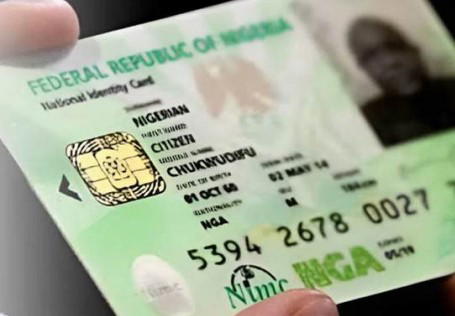
The Nigerian National Identification Number (NIN) program is facing scrutiny as it grapples with the complexities of integration across various sectors. Initially designed as a master identifier, the NIN allows access to services but highlights the challenges of implementing a cohesive data system. Stakeholders are raising concerns about the effectiveness and cost implications of maintaining multiple sectoral IDs that ultimately fail to streamline services.
Dr. Amina Bello, a data policy expert, stated, “The NIN is the master ID, which means your sectoral ID only works for that sector. However, the NIN works for all the sectors.” This contradiction not only complicates user access but also raises questions about the financial burden on citizens who must navigate a fragmented system.
As Nigeria moves forward, the government faces pressure to enhance the NIN's functionality and reduce the reliance on multiple IDs. Achieving true integration could lead to improved service delivery and reduced costs for citizens. However, without decisive action, the current system risks perpetuating inefficiencies that hinder national development.