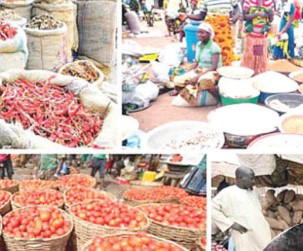
Nigeria's alarming shift towards unhealthy eating habits threatens the nation's health landscape, as experts warn that fast-paced food processing methods are taking a toll on public well-being. With the rise of convenience foods and rapidly prepared meals, many Nigerians are consuming diets high in sugar, salt, and unhealthy fats, contributing to a surge in obesity, diabetes, and heart disease.
Dr. Chika Ibe, a nutritionist at the University of Lagos, stated, "We are witnessing a crisis where convenience is prioritized over nutrition, leading to serious long-term health consequences." This trend is exacerbated by urbanization and busy lifestyles, leaving many with little time to prepare wholesome meals. The consequences are dire, as health care systems struggle to cope with the growing burden of diet-related illnesses.
Looking ahead, it is crucial for policymakers to promote nutrition education and implement regulations on food processing standards. Encouraging healthier food options and supporting local agriculture could mitigate these risks, fostering a culture of well-being. As Nigeria grapples with these challenges, the commitment to a healthier future will require a collective effort from all sectors of society.
