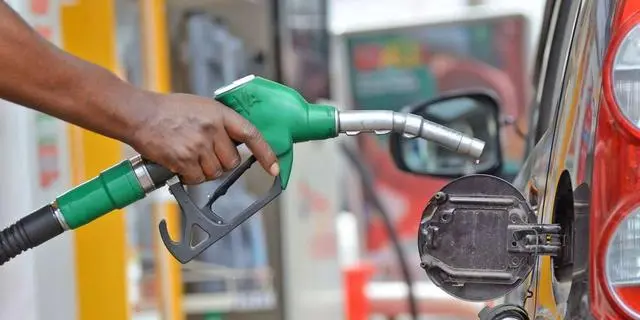
As global oil prices show signs of decline due to a recent agreement between the U.S. and Iran regarding the Strait of Hormuz, Nigerians are hopeful for much-needed relief at the fuel pump. Brent crude has fallen into the $75–$82 range, prompting anticipation among consumers who have faced soaring costs in recent months. Nigeria, heavily reliant on oil exports, grapples with the dual challenge of fluctuating global prices and domestic fuel scarcity.
Industry analysts suggest that the deal could stabilize oil supply routes, potentially easing the pressure on Nigeria's economy. "If the downward trend in oil prices continues, we could see significant changes in local fuel pricing, which would benefit consumers," remarked Chijioke Okeke, an energy economist. The Nigerian government has been under scrutiny for its handling of fuel subsidies, and any relief from high prices could influence public sentiment ahead of upcoming elections.
Looking ahead, if global prices remain stable and the domestic market adapts, Nigerians may finally experience the respite they've been longing for. However, the road to sustainable pricing will require careful navigation through both local policies and global market dynamics.