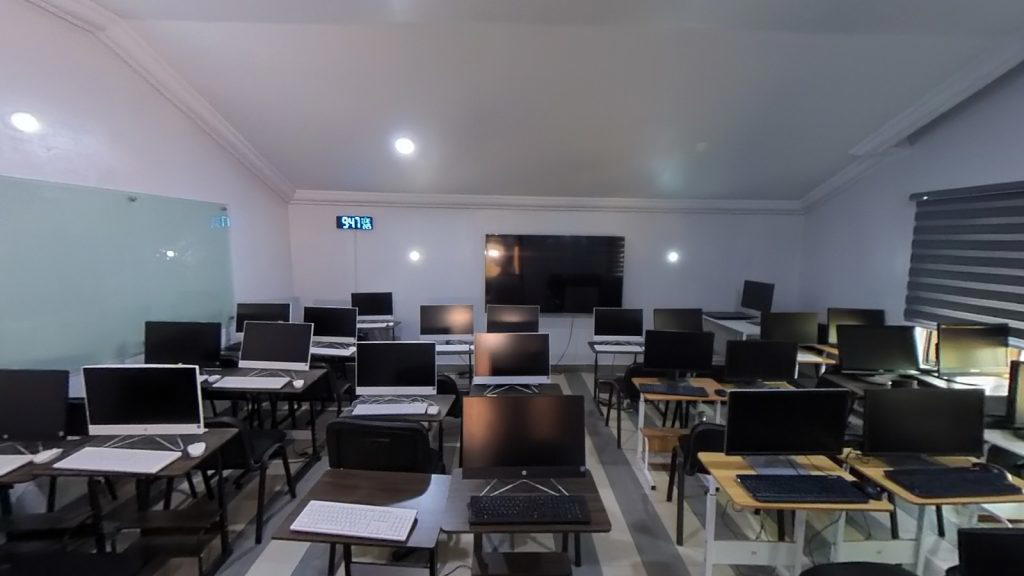
Nigeria's talent pool is often dismissed as underqualified, yet this narrative overlooks a crucial skills gap rooted in the education system. As the country faces a rapidly evolving job market, the disconnect between academic training and industry needs becomes more pronounced. Many graduates struggle to find roles that align with their education, raising questions about the relevance of curricula.
In a recent discussion, Dr. Chinyere Eze, an education reform advocate, stated, "Our education system must evolve to meet the demands of the 21st-century workforce. We have intelligent graduates, but they lack practical skills." This sentiment echoes among employers who increasingly seek candidates equipped with critical thinking and hands-on experience rather than theoretical knowledge alone.
Addressing this skills gap requires a collaborative effort between educational institutions and industries to create curricula that are responsive to market demands. As Nigeria continues to develop, focusing on skill enhancement rather than merely degree attainment will be essential for economic growth. By bridging this gap, Nigeria can transform its intelligent youth into a formidable workforce ready to tackle both local and global challenges.