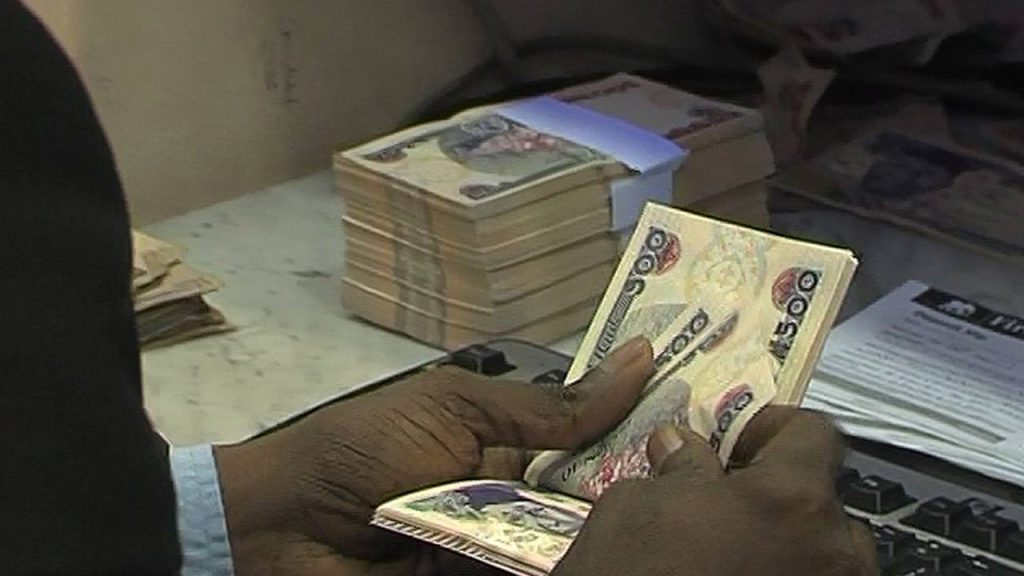
Nigerian banks are basking in record profits, yet the average citizen grapples with economic hardship, underscoring a troubling disparity within the nation’s financial landscape. Recent reports reveal that major banks have posted unprecedented earnings, driven by high-interest rates and increased lending fees. Meanwhile, inflation and unemployment rates persist, creating a stark contrast between the fortunes of the banking sector and the struggles of everyday Nigerians.
Industry experts highlight that these profits come at a cost to consumers. "Our people are suffering while banks thrive. This is unsustainable and morally questionable," says Chike Obi, CEO of a leading financial advisory firm. The situation reflects systemic issues, including inadequate infrastructure and limited access to financial services for the wider population.
Looking ahead, the continued success of Nigerian banks may be jeopardized if the government and financial institutions do not address the underlying economic challenges. Without a commitment to equitable growth, the widening gap between prosperous banks and impoverished citizens threatens to destabilize not only the financial sector but also the broader economy. As stakeholders consider reforms, the call for a more inclusive economic strategy is louder than ever.