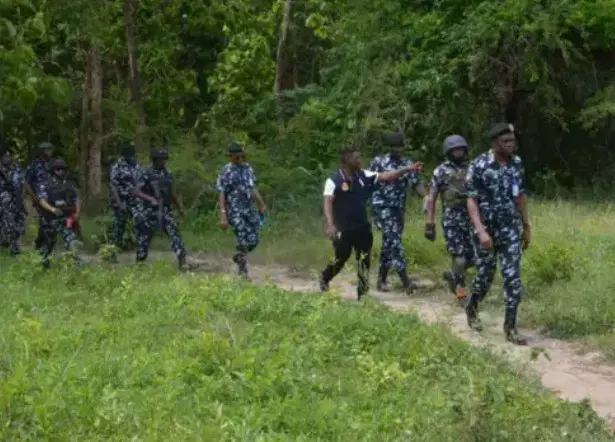
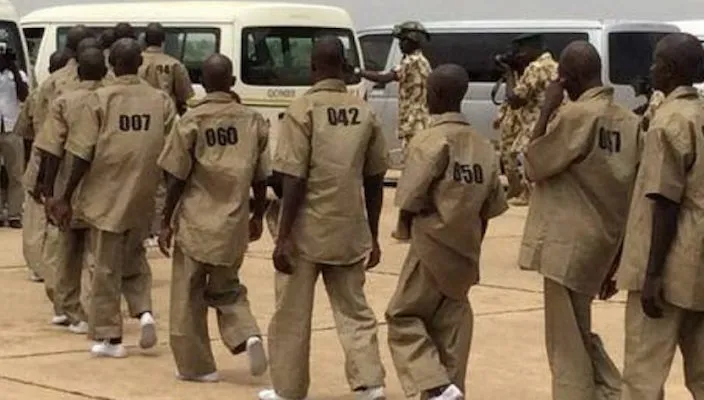
The Nigerian Army's recent arrest of an activist has ignited a fierce debate over human rights and military conduct in the country. This action comes amid heightened scrutiny of the military's role in civil governance and its treatment of dissenters. Critics argue that such arrests threaten democratic freedoms and set a dangerous precedent for state overreach.
In defense of the operation, Army spokesperson Brigadier General Onyema Nwachukwu stated, "The military will not fold its arms while individuals undermine national security." This assertion underscores the army's position that it is acting within legal bounds to maintain order amidst rising tensions in various regions. However, human rights organizations contend that the army's approach often leads to excessive force and violations of civil liberties.
As the situation unfolds, the Nigerian public remains divided. Many are calling for greater accountability and oversight of military actions, while others support a robust response to perceived threats. Moving forward, the government's handling of this arrest may influence public trust and the broader discourse on security and human rights in Nigeria.