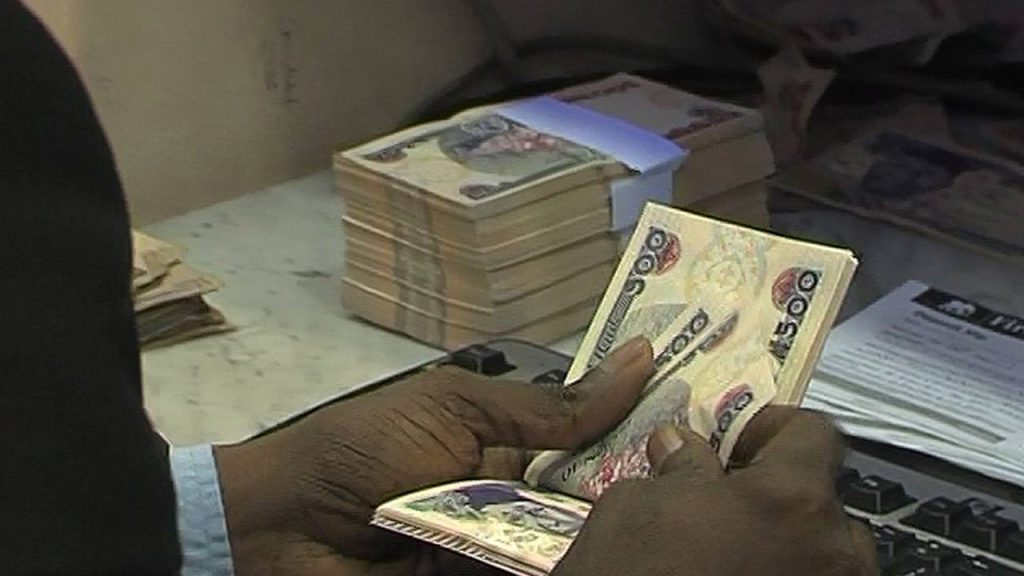
Nigeria's looming $11.6 billion debt servicing commitment for 2026 underscores the nation's ongoing financial challenges and raises questions about its economic trajectory. President Bola Tinubu's announcement highlights the burden of debt on national resources, which could impede investments in critical sectors like infrastructure and education.
In recent years, Nigeria's debt levels have surged, primarily due to borrowing for budgetary support and infrastructure projects. The president's concern over Africa's mere 2% share in global manufacturing value addition emphasizes the continent's struggle to diversify its economies. "We must prioritize manufacturing to create jobs and uplift our economy," Tinubu stated, reflecting a growing urgency among leaders to address this imbalance.
As Nigeria prepares for this significant debt servicing, it faces the dual challenge of stimulating economic growth while managing its financial obligations. The path forward will require innovative policies and potential reforms in governance to enhance productivity and attract foreign investment. The coming years will be critical in determining Nigeria's ability to transform its economic landscape amid these fiscal constraints.