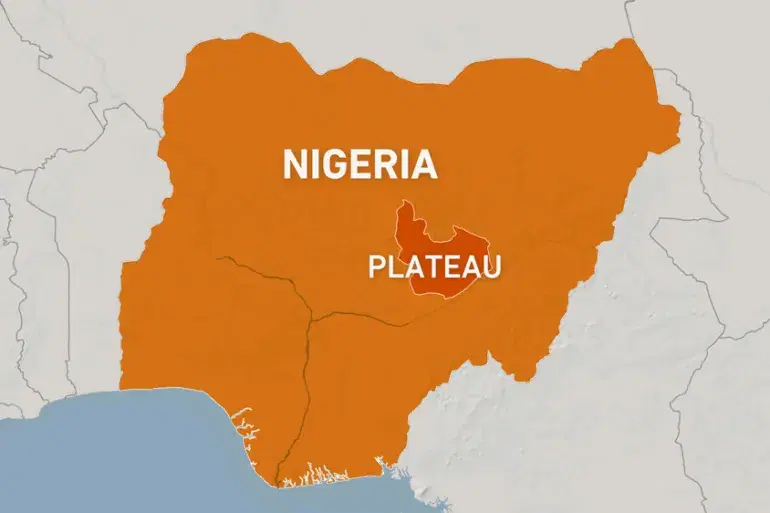
The relationship between Nigeria and South Africa has long been marred by diverging national interests and historical grievances. Since gaining independence in 1960, Nigeria has positioned itself as a leader in African unity, while South Africa's foreign policy has often focused more on its regional dominance and economic interests. Recent tensions have surfaced, exacerbated by incidents of xenophobia and allegations of both misogyny and misandry, which have fueled public sentiment against Nigerian nationals in South Africa.
Bola A. Akinterinwa, a prominent political analyst, emphasizes the complexity of these dynamics: "The narratives of Afrophobia and Nigerianophobia must be addressed to foster meaningful cooperation." His perspective highlights the necessity for both nations to transcend historical animosities in favor of a collaborative approach that can bolster regional stability and economic prosperity.
Looking ahead, both countries have the opportunity to redefine their diplomatic ties by prioritizing mutual respect and understanding. Strengthening bilateral relations could not only benefit their respective economies but also serve as a cornerstone for broader African unity, a goal that both nations have historically championed despite ongoing challenges.