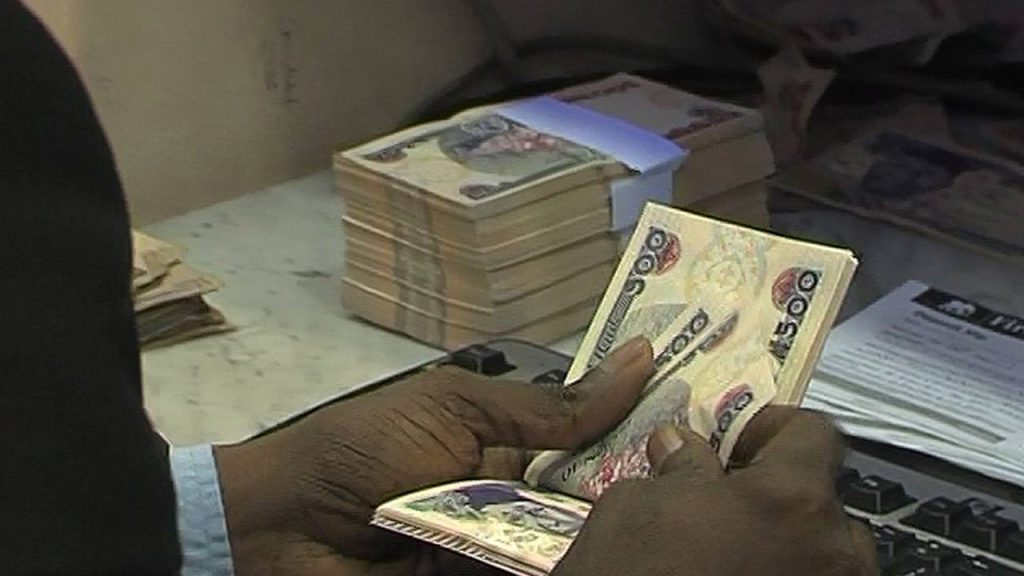
Nigeria's vast oil wealth, while impressive, is increasingly under scrutiny as OPEC data reveals deep-seated structural issues that threaten its long-term economic stability. Despite being Africa's largest oil producer, the country's economy remains vulnerable, characterized by high unemployment rates and inadequate infrastructure, which hinder sustainable growth.
Recent reports indicate that Nigeria’s oil revenue, which accounts for a significant portion of its GDP, is not being effectively channeled into diversifying the economy. "The reliance on oil revenue must be addressed," warns Adeola Kazeem, an economist at the Nigerian Economic Summit Group. "Without addressing these structural gaps, we risk continued volatility and stagnation."
Moving forward, Nigeria must prioritize reforms that enhance economic resilience, including investment in agriculture, technology, and education. Diversifying its revenue streams will not only mitigate the risks associated with oil price fluctuations but also foster a more inclusive economic environment. As global energy dynamics shift, Nigeria's ability to adapt will be crucial for harnessing its wealth for broader prosperity.