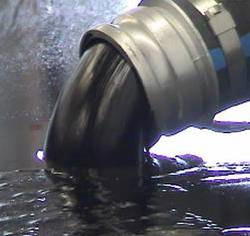
Nigeria's recent rise in crude oil production to approximately 1.66 million barrels per day marks a positive shift, yet experts warn against complacency. This increase comes after years of production disruptions due to theft, vandalism, and regulatory inefficiencies that have plagued the sector. While the uptick offers a glimmer of hope for the economy, it remains precarious, with ongoing challenges such as aging infrastructure and environmental concerns.
Dr. Ngozi Okonjo-Iweala, former Finance Minister and current Director-General of the World Trade Organization, remarked, “We must not celebrate too soon; the oil sector requires systemic reforms to sustain this growth and ensure long-term economic stability.” Her statement underscores the need for a comprehensive strategy to address the root issues affecting production and revenue generation.
Looking ahead, Nigeria must prioritize investments in technology and security, alongside fostering a regulatory environment that encourages transparency and accountability. Only then can the country stabilize its oil output and leverage it as a catalyst for broader economic growth. The path forward demands not just increased production, but a commitment to transformative change in the sector.