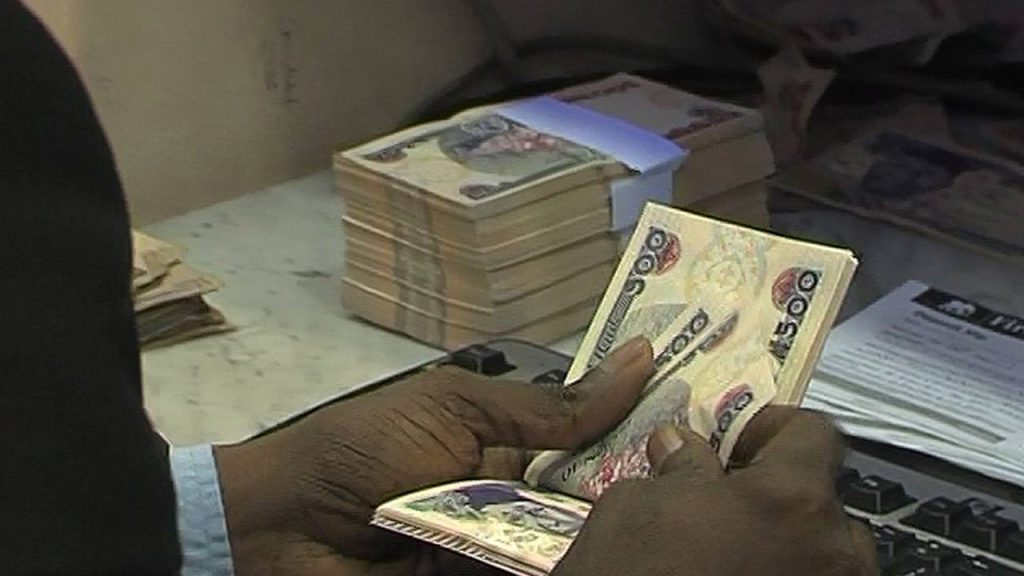
Nigeria's public debt has surged dramatically since President Bola Ahmed Tinubu assumed office, prompting critical analysis of what this debt has financed and its broader economic implications. As of May 2026, the debt level has raised concerns among economists and citizens alike, particularly regarding its impact on future economic stability. Key expenditures have included infrastructure development and social welfare programs, but questions remain about their efficiency and long-term benefits.
“The increase in debt is necessary to fund our development goals, but we must ensure accountability and transparency,” stated Dr. Ayo Olufemi, an economist at the Nigerian Economic Summit Group. This sentiment reflects a growing anxiety among stakeholders about whether the borrowing will translate into tangible improvements in living standards or merely lead to increased fiscal burdens.
Looking ahead, Nigeria faces the challenge of balancing debt management while fostering sustainable economic growth. Effective governance and strategic investment will be crucial in ensuring that the current debt surge serves as a catalyst for genuine progress rather than a precursor to financial instability. Without careful oversight, Nigeria risks repeating past mistakes that have hindered economic advancement.