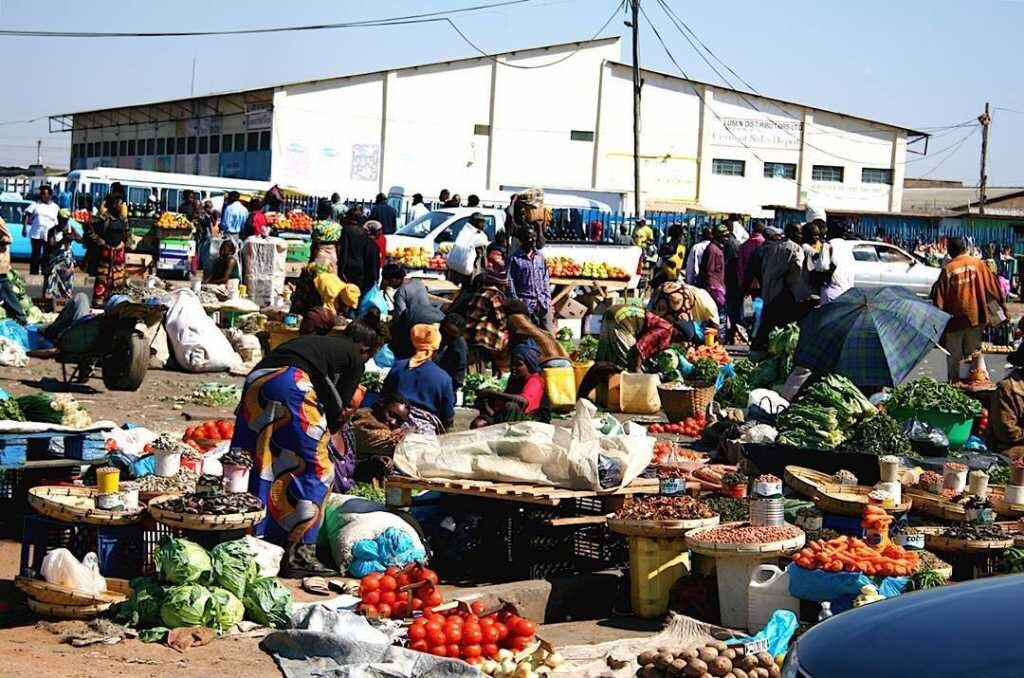
Nigeria's inflation rate has shown signs of easing, slowing to 15.91 percent in June 2026, marking a significant development ahead of the Central Bank's upcoming key rate decision. This decline, the first in three months, comes as the government grapples with a challenging economic landscape marked by rising food prices and currency depreciation. Analysts had anticipated this shift, noting the impact of recent agricultural policies and improved supply chain logistics.
The Central Bank of Nigeria's Monetary Policy Committee is set to meet soon, and the inflation figures could influence their strategy. "This is a crucial moment for our economy, and we must balance inflation control with fostering growth," stated Dr. Abiodun Adebayo, Chief Economist at the Nigerian Economic Summit Group. The recent slowdown in inflation provides a glimmer of hope for policymakers, who have been under pressure to stabilize the economy while addressing high living costs.
Looking ahead, if inflation continues to trend downward, it may allow the Central Bank to adopt a more accommodative monetary policy, potentially paving the way for economic recovery and growth in the latter half of the year.