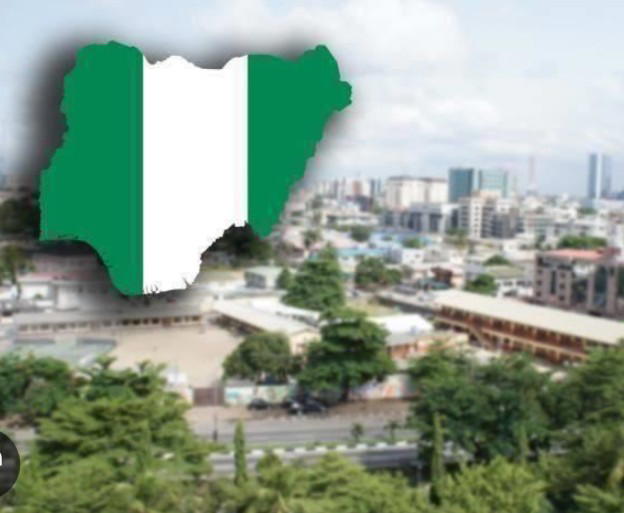
Nigeria's housing crisis has reached a critical juncture, turning basic shelter into an unattainable luxury for many citizens. As rents soar and incomes stagnate, workers are increasingly compelled to seek refuge in offices, vehicles, and overcrowded shelters, amplifying the nation’s growing socio-economic divide.
Recent reports indicate that average rents have surged by over 30% in urban areas, leaving many families unable to afford even the most basic accommodations. The situation has forced individuals into precarious living situations, with many resorting to makeshift arrangements. "Housing is no longer a right; it's a privilege," laments Amina Yusuf, a housing rights advocate. She adds, "This crisis is pushing the most vulnerable into deeper poverty."
As the government grapples with policy responses, the urgency for sustainable housing solutions has never been more pronounced. Stakeholders are calling for innovative approaches to housing finance and urban planning. Without immediate action, Nigeria risks further entrenching economic inequality, jeopardizing the future stability of its burgeoning cities. The challenge ahead is not just about building houses but ensuring that every Nigerian has access to a place they can call home.