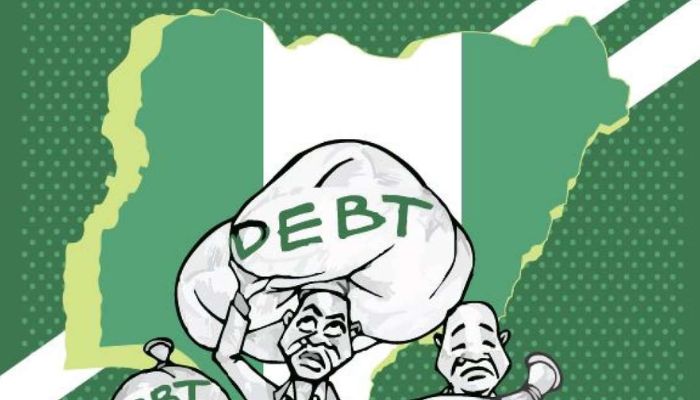
Nigeria's fiscal health is increasingly alarming as its 2026 deficit has surpassed the legally mandated limit of 3%, according to a recent BudgIT report. This breach raises serious concerns about the nation's public finance sustainability and its growing debt burden, which could hinder economic stability and development.
In the first half of 2026, the government's expenditures have outpaced revenue generation, leading to a deficit that critics argue is unsustainable. "If we do not take immediate measures to rein in spending and enhance revenue collection, we risk jeopardizing our economic future," stated Olufemi Lawson, a financial analyst at the Economic Policy Institute. The situation is exacerbated by rising global interest rates, which increase the cost of borrowing and put additional pressure on Nigeria's already strained finances.
Looking ahead, the government faces mounting pressure to implement fiscal reforms that prioritize revenue generation while curbing unnecessary expenditures. Without decisive action, Nigeria's economic trajectory may become increasingly precarious, ultimately affecting investment confidence and the overall growth potential of the nation.