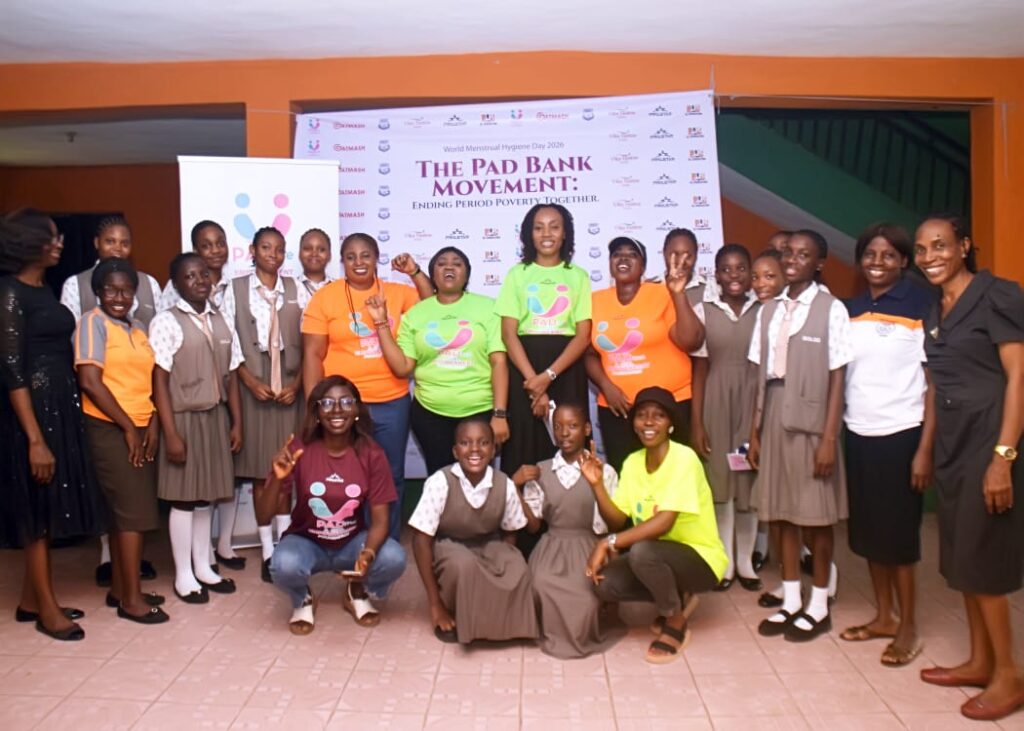
Period poverty remains a pressing issue in Nigeria, significantly affecting the education and well-being of girls. Recent initiatives have shifted towards a more sustainable approach by establishing school-based pad banks, which provide reusable sanitary products to students in need. This model aims not only to alleviate immediate needs but also to foster a culture of sustainability and self-sufficiency.
Advocates highlight the importance of this shift. "Sustainable pad banks are essential for empowering girls and ensuring they don’t miss school due to menstruation," said Dr. Amina Bello, a leading advocate for girls' education. This innovative strategy addresses both the stigma surrounding menstruation and the environmental concerns associated with disposable products.
As these pad banks gain traction in schools across Nigeria, they represent a crucial step towards dismantling barriers to education for young girls. With continued support and funding, this model could expand nationally, providing a framework for addressing period poverty that combines education, health, and environmental responsibility. The future of girls’ education in Nigeria may hinge on how effectively these initiatives are implemented and sustained.