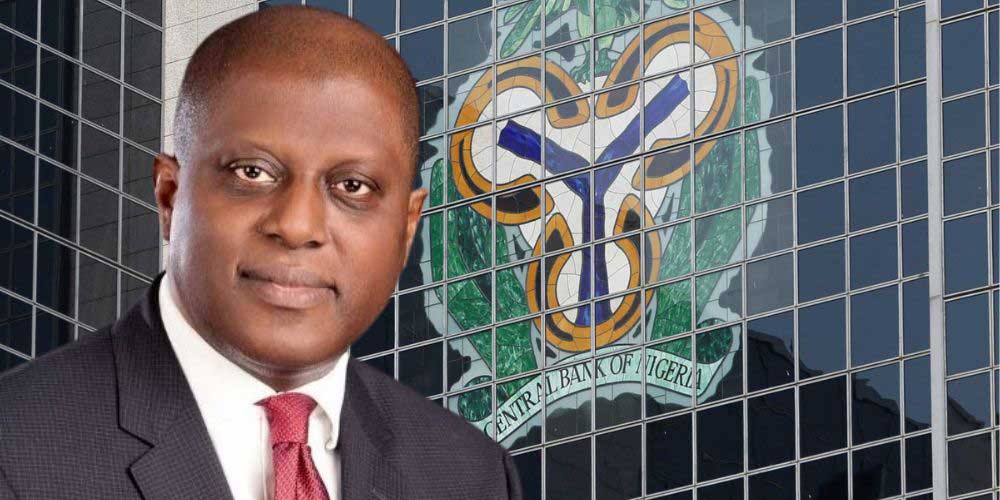
Nigeria's external reserves have surged to $52.73 billion as of July 9, 2026, a significant increase from $48.88 billion in January. This rise, reported by Central Bank of Nigeria Governor Olayemi Cardoso, reflects a growing confidence in the nation's economic resilience amid global financial uncertainties. The increase in reserves is attributed to higher oil prices and improved foreign direct investment, crucial for stabilizing the naira and supporting economic growth.
Governor Cardoso emphasized the importance of these reserves, stating, "This increase is not just a number; it represents our commitment to ensuring economic stability and growth for all Nigerians." The reserves play a vital role in bolstering the country's trade balance and providing a buffer against external shocks.
Looking ahead, the trajectory of Nigeria’s external reserves will be closely monitored as global economic conditions evolve. Sustaining this upward trend will require strategic management of foreign exchange and continued efforts to diversify the economy beyond oil dependence. As Nigeria positions itself for potential growth, the implications for fiscal policy and investment strategies will be critical in shaping the nation's financial landscape.

