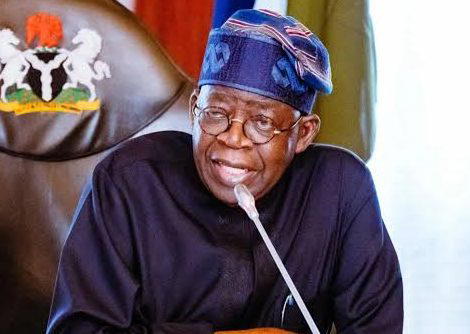
Nigeria's economy is under scrutiny as President Bola Tinubu asserts that foundational progress is being made despite ongoing reform challenges. In a recent statement, Tinubu highlighted that these economic adjustments, while painful, are essential for long-term growth and stability. The administration has faced criticism for its handling of inflation, currency devaluation, and rising unemployment, yet received a nod of approval from Deloitte Africa, emphasizing potential resilience in the economic landscape.
Tinubu remarked, “We are committed to transforming our economy, and while the journey is tough, the signs of progress are evident.” This acknowledgment reflects a broader strategy aimed at revitalizing key sectors through infrastructural investment and regulatory changes, although critics argue that the immediate impacts have yet to be felt by ordinary citizens.
Looking ahead, the government's focus on sustainable reforms could pave the way for a more robust economic framework. However, the path to recovery will require careful navigation of public sentiment and effective management of the socioeconomic fallout from these reforms. The success of this initiative will ultimately depend on the administration's ability to balance immediate hardships with the promise of future prosperity.