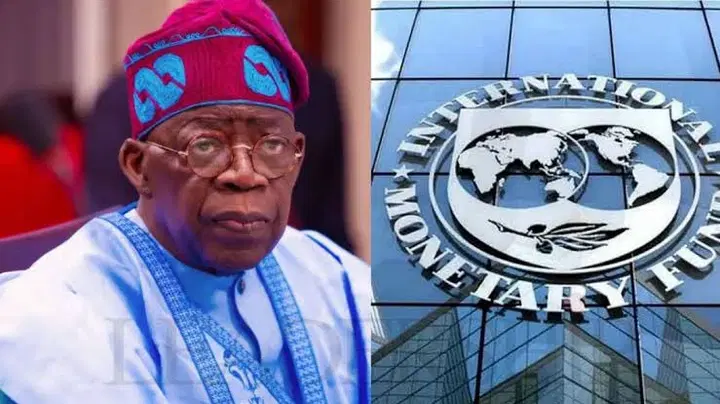
The International Monetary Fund (IMF) has acknowledged Nigeria's significant economic reforms over the past three years, highlighting improved macroeconomic stability despite a troubling rise in poverty levels. In its latest annual review, the IMF emphasized that these reforms have "yielded improved macroeconomic outcomes and built resilience," indicating progress in areas such as inflation control and foreign investment attraction.
However, this positive assessment contrasts sharply with the persistent poverty challenges facing millions of Nigerians. According to recent statistics, approximately 40% of the population lives below the poverty line, raising concerns about the inclusivity of economic growth. The Nigerian government, under President Bola Tinubu, has been urged to prioritize social safety nets alongside its reform agenda. As noted by the Minister of Finance, Wale Edun, “While we celebrate economic growth, we must not lose sight of the urgent need to address the plight of the most vulnerable.”
Looking ahead, Nigeria's path to sustainable economic growth hinges on balancing reform efforts with targeted initiatives aimed at reducing poverty. Failure to address this disparity could undermine the very resilience that economic reforms aim to foster.

