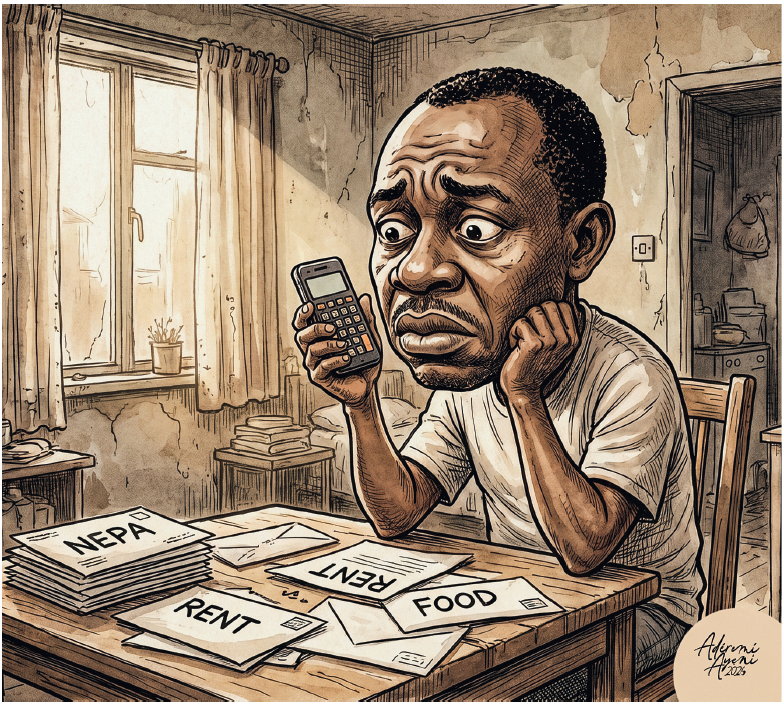
Nigeria is grappling with an economic crisis that is not only reshaping its financial landscape but also exacerbating a mental health emergency. With inflation soaring, housing costs skyrocketing, and unemployment rates climbing, many Nigerians are experiencing unprecedented stress and anxiety. The World Health Organization has highlighted that over 29 million Nigerians suffer from mental health disorders, a figure that is likely to rise as economic conditions worsen.
Recent reports indicate that the pressures of daily life, marked by declining purchasing power and rampant insecurity, are driving many to the brink. Dr. Adaobi Nwosu, a clinical psychologist, noted, “The mental health impact of this economic downturn is profound; we are witnessing a surge in anxiety, depression, and other mental health issues among the population.” As mental health services remain underfunded and stigmatized, the urgent need for comprehensive support systems becomes increasingly clear.
Looking ahead, addressing the intersection of economic instability and mental health will be crucial for Nigeria's recovery. Policymakers must prioritize mental health initiatives alongside economic reforms to foster resilience in a society under strain.