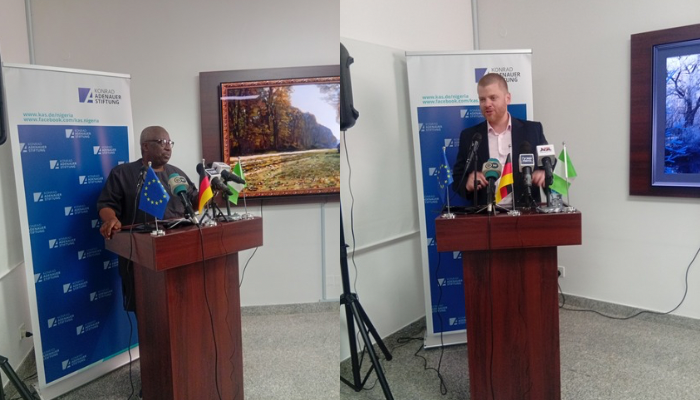
In Nigeria, the intersection of religion and politics poses significant challenges to democratic integrity, as highlighted by media executive Dapo Olorunyomi. He argues that a new professional ethic is essential for reporting on religious issues to foster a more informed public discourse. Olorunyomi's comments come amid rising sectarian tensions and the growing influence of religious leaders on political affairs, which can skew public perception and undermine democratic values.
In recent years, media coverage of religious matters has often been sensationalized, exacerbating divisions rather than promoting understanding. Olorunyomi asserts, "The media must take responsibility in shaping narratives that encourage unity rather than division." This call for a more ethical approach underscores the critical role journalism plays in a healthy democracy.
Looking ahead, the establishment of a clear ethical framework for reporting on religion could enhance the media's role as a constructive force in Nigerian society. By prioritizing accuracy and sensitivity, journalists can contribute to a more cohesive national dialogue, ultimately strengthening the foundations of Nigeria's democracy in an increasingly polarized environment.

