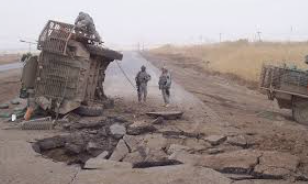
Nigeria's ongoing battle with terrorism has been underscored by alarming statistics from Interpol, revealing 1,934 incidents involving Improvised Explosive Devices (IEDs) from 2017 to 2024. The North-East region has been particularly hard-hit, reflecting the persistent threat posed by Boko Haram and other extremist groups. This data sheds light on the security challenges facing Nigeria as it grapples with the consequences of prolonged conflict.
The rise in IED attacks not only exacerbates the humanitarian crisis but also destabilizes local economies and displaces thousands. "The frequency of these attacks signals a troubling trend that requires immediate and coordinated response from both government and international partners," said Dr. Amina Bello, a security analyst. This statement underscores the urgent need for enhanced security measures and community engagement.
Looking ahead, Nigeria must prioritize comprehensive counter-terrorism strategies that include intelligence sharing, community resilience programs, and regional collaboration. As the country strives to reclaim stability, addressing the root causes of extremism will be essential to preventing further cycles of violence and ensuring lasting peace.