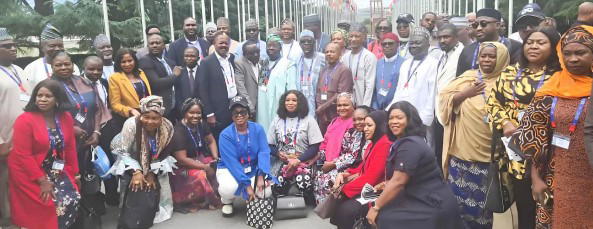
As the global landscape of artificial intelligence evolves, Nigeria is emerging as a crucial voice in the debate surrounding its implications for labor and employment. At the recent International Labour Conference (ILC), Nigerian representatives underscored the need for proactive measures to mitigate the potential displacement of workers due to AI advancements.
The concerns raised reflect broader anxieties prevalent among nations grappling with the rapid integration of AI technologies into various sectors. Nigeria's Minister of Labour and Employment, Chris Ngige, emphasized the urgency of this issue, stating, “We must ensure that technological progress does not come at the expense of our workforce; instead, it should enhance job opportunities.” This sentiment resonates with many countries that fear the economic disparities that could arise from unchecked AI deployment.
Looking forward, Nigeria's advocacy could catalyze international dialogue on the ethical use of AI, potentially leading to frameworks that prioritize worker protection. As nations navigate this complex terrain, Nigeria's proactive stance may influence global policies, ensuring that AI acts as a tool for empowerment rather than a source of displacement.