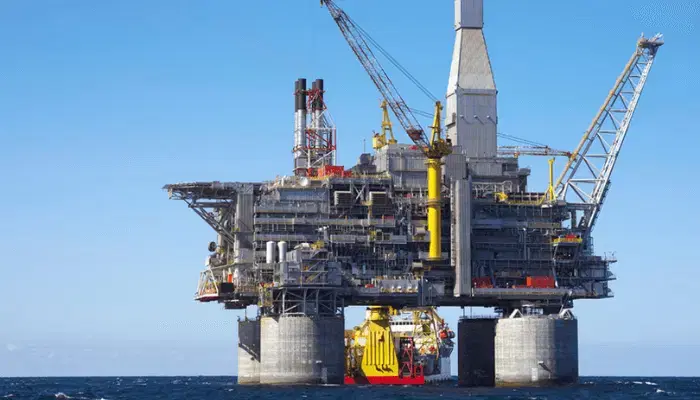
Nigeria's recent surge in crude oil production, exceeding its OPEC quota for the second consecutive month, signals a significant shift in the country's energy strategy. June's output reached a six-year high, driven by increased investments and improved operational efficiencies in the oil sector. This development comes as global oil prices remain volatile, creating opportunities for Nigeria to capitalize on its resources.
The Nigerian government aims to boost its economy, heavily reliant on oil revenues, amidst ongoing fiscal challenges. "Our focus is on maximizing production while ensuring compliance with market dynamics," said Mele Kyari, Group Managing Director of the Nigerian National Petroleum Corporation (NNPC). His comments highlight the balancing act Nigeria faces between OPEC commitments and national economic imperatives.
Looking ahead, Nigeria's ability to sustain this output will hinge on both internal stability and external market conditions. If the country can maintain its momentum, it may enhance its bargaining power within OPEC and secure a more favorable position in the global energy landscape. However, potential geopolitical tensions and fluctuating demand could pose risks to this optimistic trajectory.