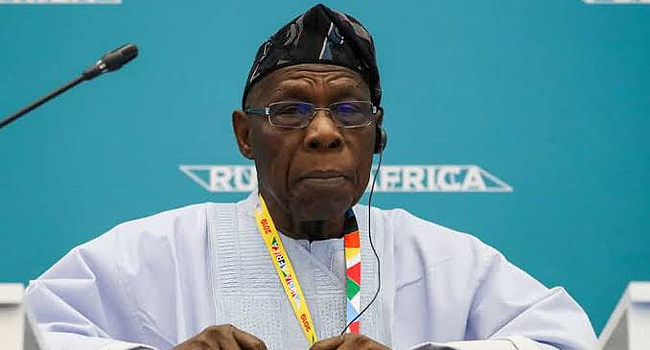
Former President Olusegun Obasanjo's stark warning against the possibility of another civil war in Nigeria highlights a pressing concern for the nation’s stability. Speaking at a recent event, he emphasized that the underlying issues which precipitated the devastating conflict from 1967 to 1970 remain entrenched in the country's sociopolitical fabric. Ethnic divisions, economic disparities, and governance challenges continue to fuel tensions.
Obasanjo stated, "We must ensure that history does not repeat itself. The scars of the past should serve as a reminder of what can happen if we do not address our grievances collectively." His remarks come amidst rising insecurity and political unrest, raising alarms about the potential for escalating violence.
In a nation still grappling with the legacies of its tumultuous past, Obasanjo’s insights serve as a clarion call for unity and dialogue. As Nigeria approaches critical elections, stakeholders must prioritize reconciliation and address the root causes of discontent. Failure to do so risks reigniting old wounds and plunging the country into chaos once more. The future of Nigeria hinges on its ability to learn from history and foster a more inclusive, peaceful society.

