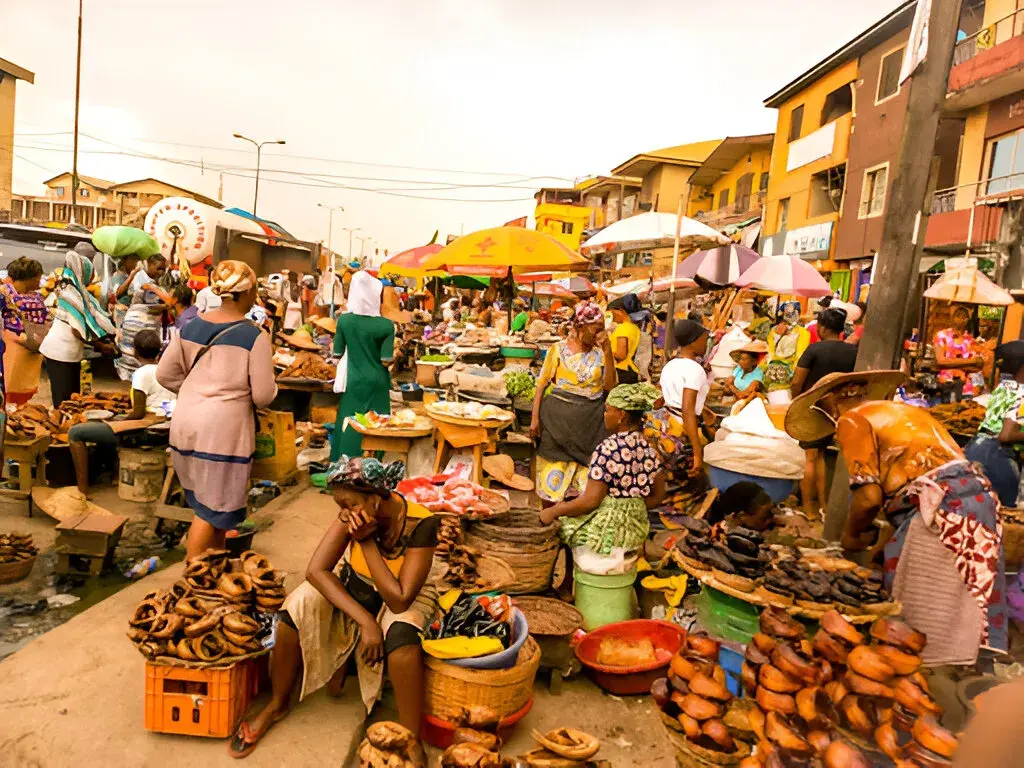
Nigeria's households are grappling with a renewed cost-of-living crisis, as escalating rents and transport costs erode their spending power. Inflation pressures are resurfacing, with food prices soaring and essential goods becoming increasingly unaffordable. Recent data indicates that many families are now forced to prioritize basic necessities, leading to a significant decline in discretionary spending.
According to Amina Yusuf, an economist at the Nigerian Economic Summit Group, "The rising cost of living is pushing families into a corner, forcing tough choices that could have long-term effects on their well-being." This situation is exacerbated by stagnant wages and high unemployment rates, which limit the ability of households to cope with the economic downturn.
As the Nigerian government faces mounting pressure to address these challenges, it must find effective solutions to stabilize prices and support vulnerable populations. Looking ahead, the potential for social unrest grows if these economic strains persist, highlighting the urgent need for policy interventions that prioritize household welfare and economic resilience. The coming months will be critical in determining whether Nigeria can navigate this turbulent economic landscape without deepening the crisis.