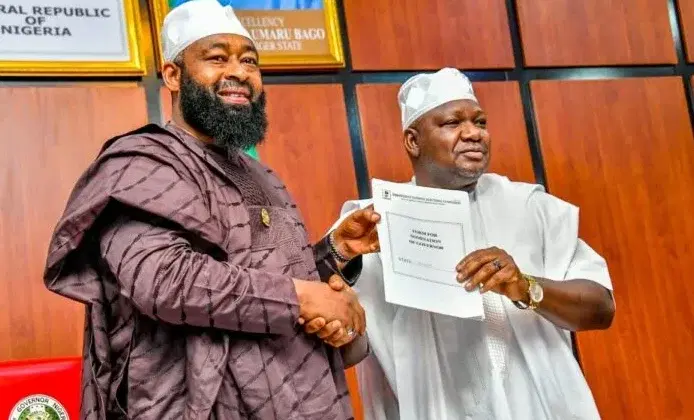
As Nigeria approaches the pivotal 2027 general elections, the judiciary's growing role in electoral matters raises alarms about democratic integrity. Recent rulings have seen courts intervening in party primaries and candidate selections, prompting concerns that justice is being wielded as a political tool rather than an impartial guardian of democracy. This trend threatens to undermine public confidence in electoral processes, a foundation that is essential for a thriving democracy.
Legal experts and political analysts are voicing their concerns. "The judiciary must remain a neutral arbiter, not a player in the political arena," warns Dr. Elisha Okoro, a constitutional law scholar. His statement underscores a broader sentiment that the judiciary's overreach could lead to a crisis of legitimacy in the electoral system.
As the election date approaches, the imperative for judicial independence becomes increasingly critical. Stakeholders must advocate for a legal framework that safeguards electoral integrity and public trust. Without a reassertion of the judiciary's neutrality, Nigeria risks entering a cycle of political instability that could have lasting repercussions for its democratic future.