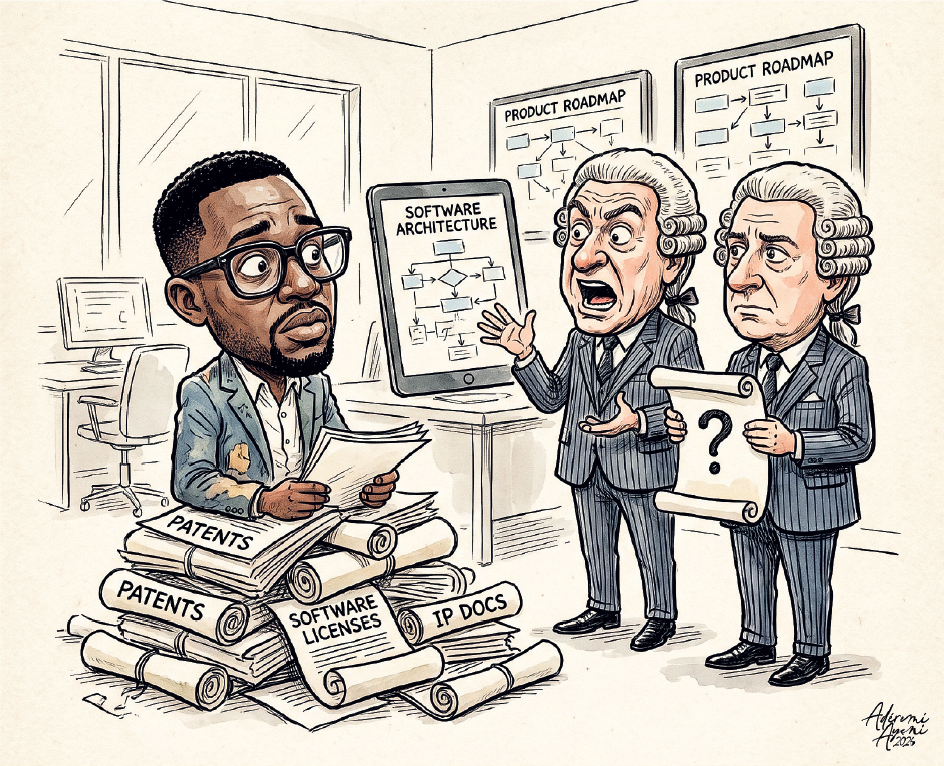
Nigeria has positioned itself as a digital economy powerhouse in Africa, yet it struggles to retain the economic benefits generated from this growth. The Information and Communication Technology sector has contributed approximately 17–18 percent to the nation's GDP, indicating significant potential. However, the country faces challenges in infrastructure, regulatory frameworks, and skill development, which hinder its ability to fully capitalize on this digital value.
The government's efforts to foster innovation through initiatives like the National Digital Economy Policy are commendable but insufficient. "We must create an ecosystem that not only generates digital value but also ensures that we capture it for local development," says Funke Opeke, CEO of MainOne. This sentiment underscores the urgency for Nigeria to enhance its digital strategies to empower local businesses and improve digital literacy.
Looking ahead, Nigeria's digital transformation holds promise, but it requires concerted efforts from both the public and private sectors. By investing in infrastructure and education, the country can better harness its digital potential, ensuring that economic benefits are retained domestically and contribute to broader socio-economic growth.