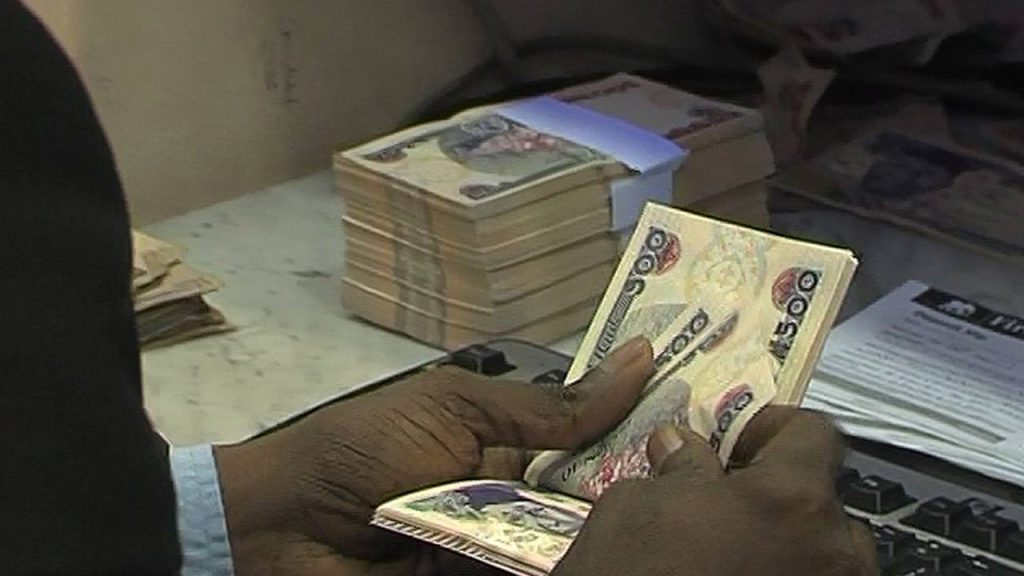
Nigeria's persistent reliance on borrowing to finance development has raised alarm bells among economists and policymakers. As the country grapples with escalating debt levels, tax reforms are being positioned as a crucial strategy to establish a sustainable fiscal framework. These reforms aim not only to enhance revenue generation but also to address infrastructure deficits and improve social protection systems.
Speaking on the pressing need for these changes, Ayodele Oyedele, a notable economist, stated, "Without a robust tax system, Nigeria cannot hope to break free from the cycle of borrowing that stifles growth and development." This sentiment reflects a growing consensus that the nation's economic future hinges on diversifying revenue streams beyond debt.
As Nigeria embarks on this reform journey, the stakes are higher than ever. Successfully implementing these tax reforms could pave the way for a more resilient economy, capable of supporting long-term growth and reducing vulnerability to external shocks. The commitment to building a sustainable fiscal system is essential; however, it will require political will and public cooperation to realize its full potential.