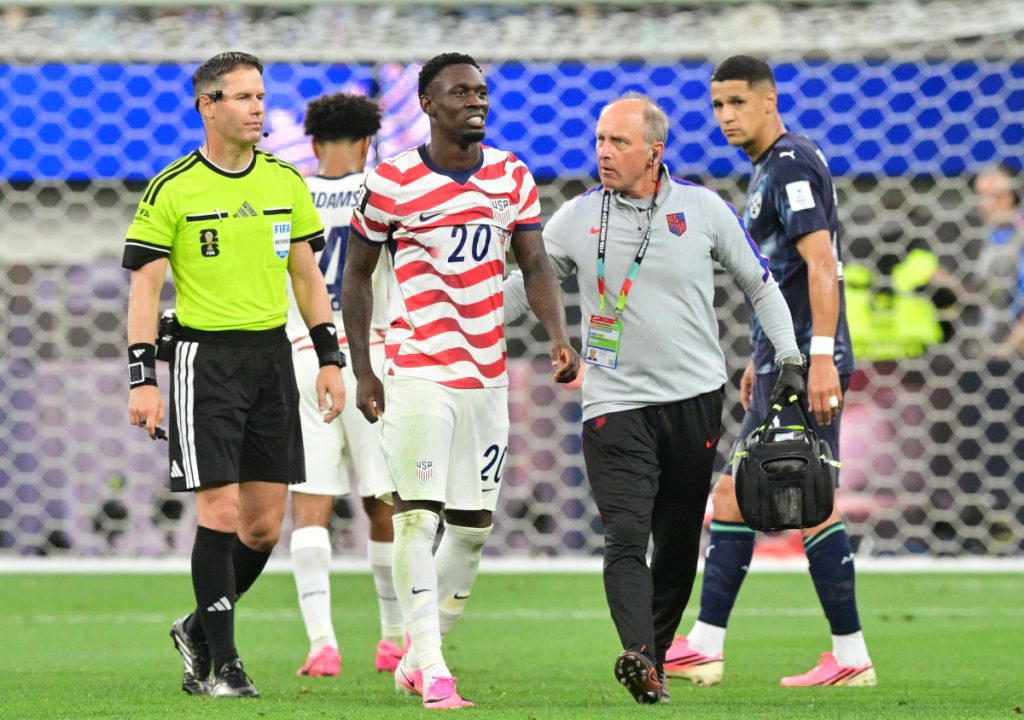
As the 2026 FIFA World Cup kicks off, Nigeria's absence is felt deeply, marking yet another disappointment for a nation with a storied football legacy. The Super Eagles, once a powerhouse in African football, failed to qualify due to a combination of management issues, inconsistent performances, and a lack of tactical cohesion. Despite producing talented players who shine in top leagues worldwide, the team's inability to secure crucial points in qualifiers has been detrimental.
"This is a massive setback for Nigerian football," lamented Amaju Pinnick, president of the Nigeria Football Federation. "We have the talent; we just need the right structure and support to harness it." This sentiment underscores a growing frustration among fans and stakeholders who have witnessed the decline of a national team that once captivated the globe.
Looking ahead, Nigeria must address its underlying issues, from grassroots development to coaching strategies. As the nation reflects on its absence, there is a pressing need for a renewed commitment to restore its footballing reputation and ensure future qualifications are not just a dream but a reality.