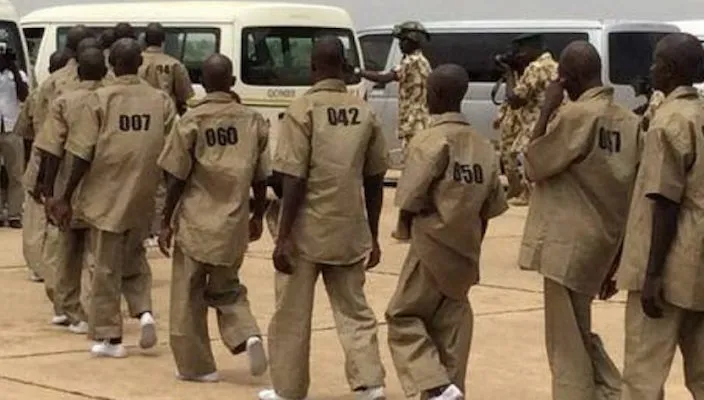
In the aftermath of recent military airstrikes in Nigeria, a growing chorus of concern is echoing across the nation as reports of civilian casualties continue to surface. The Nigerian Human Rights Commission (NHRC) has stepped forward, demanding thorough explanations from the military regarding these troubling incidents. The airstrikes, intended to target insurgent groups, have instead cast a shadow over the military's operations, raising questions about adherence to human rights and humanitarian law standards. As the nation grapples with the implications of these tragic events, the call for accountability has never been more urgent.
The Nigerian military has been engaged in a prolonged battle against various insurgent groups, most notably Boko Haram and its offshoot, the Islamic State West Africa Province (ISWAP). These groups have wreaked havoc across the northeastern part of the country, leading to a complex and ongoing security crisis. In an effort to curb the insurgency, the military has increasingly relied on aerial bombardments, a strategy that, while effective in some instances, has drawn criticism due to its potential for collateral damage.