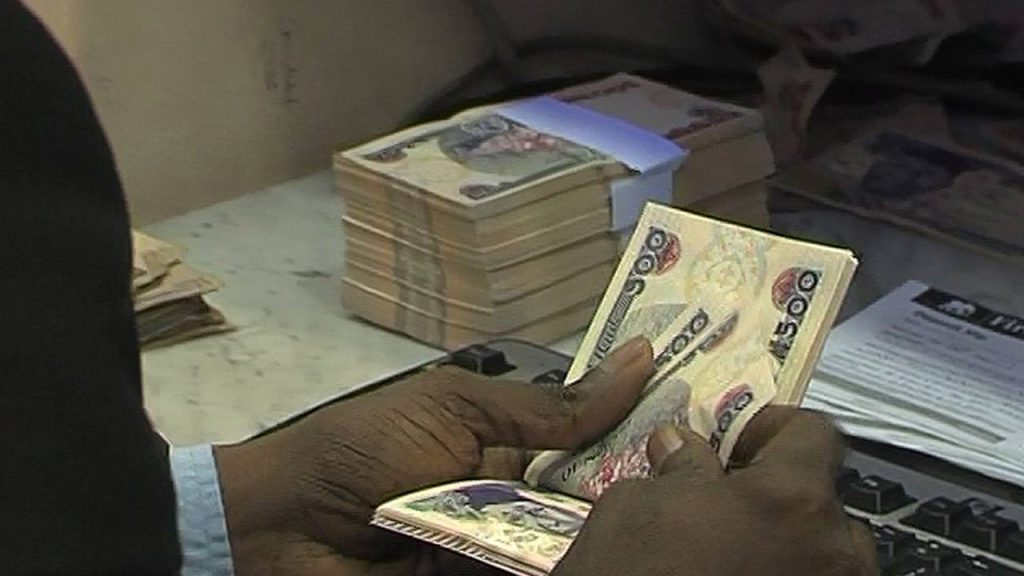
The Nigerian equities market faced a significant downturn, with market capitalisation plunging to N153.86 trillion, a decline of N1.92 trillion attributed to aggressive selloffs in major stocks, including Dangote Cement and BUA Cement. This decline reflects broader economic uncertainties, as investors react to rising inflation rates and fluctuating global oil prices, both critical to Nigeria's economy.
Market analysts suggest that the selloff in large-cap stocks signals growing investor apprehension. "The current market sentiment is heavily influenced by macroeconomic factors, and until we see stabilisation, volatility will persist," said Nkechi Obi, Chief Investment Officer at a leading investment firm. This sentiment underscores the fragile state of investor confidence amid ongoing economic challenges.
Looking ahead, analysts believe that the market may see a gradual recovery if economic indicators improve, particularly if the Central Bank of Nigeria implements effective monetary policies to combat inflation. However, the path to recovery will likely be fraught with volatility as investors remain cautious in the face of persistent economic headwinds. Ultimately, the resilience of Nigeria's stock market will hinge on both domestic fiscal policies and global economic developments.