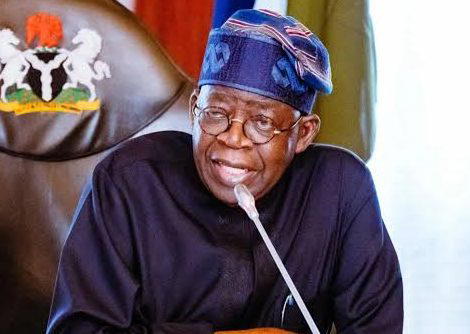
As the global maritime community seeks to achieve net-zero emissions, Kasim Oyetola, a prominent figure in Nigeria's government, has called for fairness and equity for developing countries in this crucial transition. During a recent conference, he highlighted the challenges faced by these nations, which often lack the resources and technological advancements necessary to meet stringent environmental standards.
Oyetola emphasized the importance of providing adequate support, stating, "Developing countries must not be left behind in the race for net-zero. We need international collaboration and investment to make sustainable shipping a reality for all." This plea underscores a growing concern that the push for sustainability may disproportionately burden poorer nations, exacerbating existing inequalities in the maritime sector.
With the shipping industry under increasing pressure to reduce its carbon footprint, stakeholders must prioritize equitable solutions that empower developing countries. Ensuring that these nations have access to the resources and technology needed for a sustainable future is not just a matter of fairness; it is essential for global progress in combating climate change. The coming years will reveal whether the maritime community can balance these competing demands effectively.