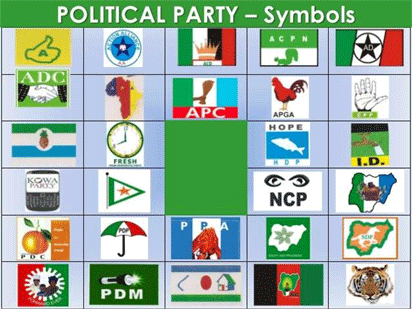
As Nigeria's political landscape shifts following party primaries, the focus has turned to the urgent need for reform in internal party democracy. Recent contests have been marred by allegations of manipulation, with many candidates expressing concerns over transparency and fairness. The primaries, often seen as a microcosm of the broader electoral process, highlight systemic issues that undermine public trust.
Political analysts note that the current framework fosters a culture of impunity among party leaders, leading to conflicts and defections. According to Dr. Aisha Bello, a political scientist at the University of Lagos, “Without robust internal democracy, parties risk alienating their base and perpetuating a cycle of discontent.” These sentiments echo across various factions, suggesting a desire for change among the electorate, particularly the youth.
As Nigeria approaches the general elections, the pressure mounts on political parties to adopt more democratic practices. Reforming internal structures could not only strengthen political parties but also enhance voter engagement and confidence in the electoral process. The coming months will be crucial in determining whether parties can rise to the challenge and foster greater inclusivity and accountability.