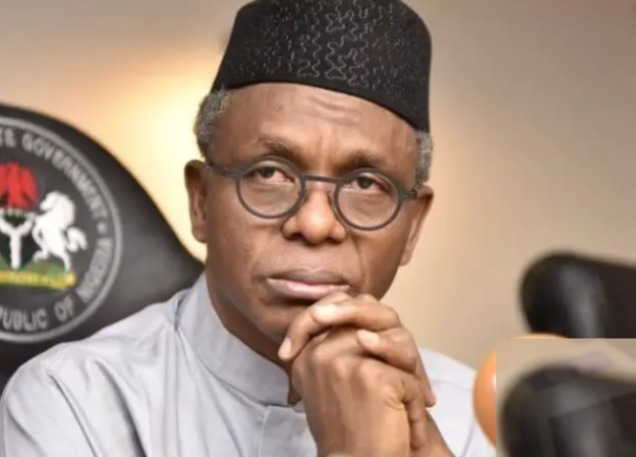
In a significant political development in Nigeria, the National Democratic Congress (NDC) has announced its decision to zone the presidency to the southern region of the country. This strategic move comes as political parties gear up for the 2027 elections, with the NDC aiming to bolster its influence and appeal in a region that has historically played a crucial role in the nation's political dynamics. The announcement has garnered support from prominent political figures, including Rabiu Kwankwaso, a key leader with considerable sway in the northern political landscape, who has publicly expressed his endorsement of this decision.
The concept of zoning in Nigerian politics is a mechanism designed to ensure balanced representation from different geographical regions in the country's leadership roles. This practice, although informal, aims to promote national unity and equity among the diverse ethnic groups in Nigeria. Historically, the presidency has oscillated between the north and the south, allowing both regions to have a turn at the highest office. The decision by the NDC to zone the presidency to the south aligns with this tradition and is seen as an effort to recalibrate its political strategy to capture the hearts and minds of voters in the southern states.