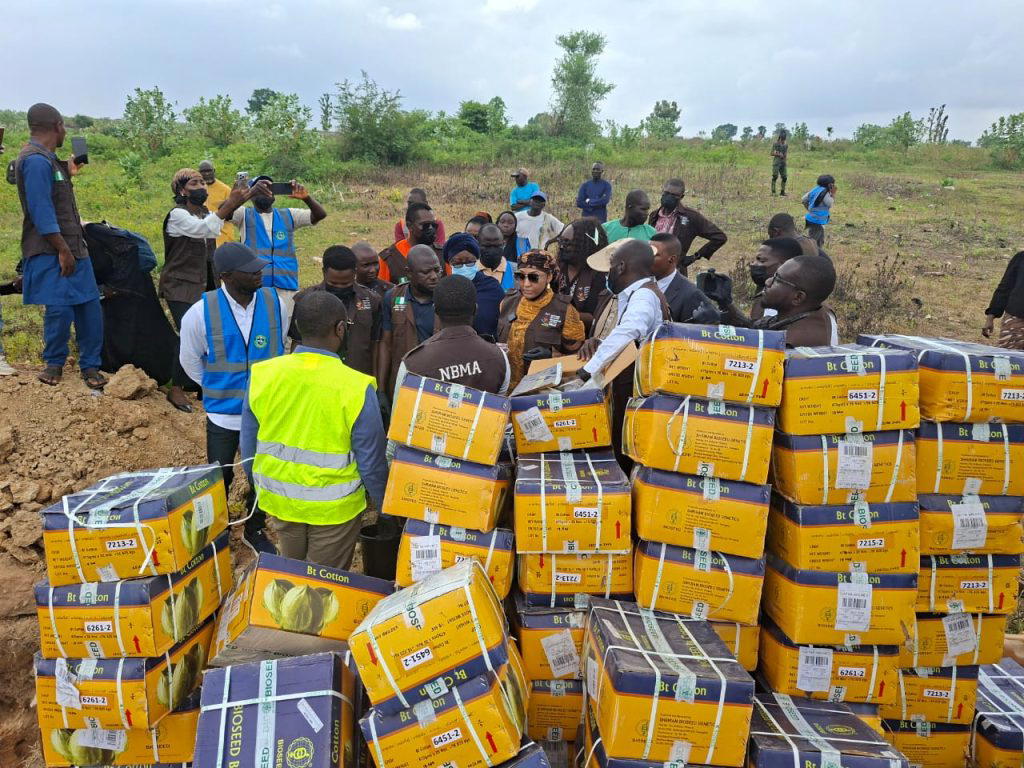
The National Biosafety Management Agency's recent destruction of unauthorized transgenic cotton seeds highlights the ongoing challenges in Nigeria’s agricultural policy framework. The NBMA confiscated 57 cartons of these seeds, weighing approximately 950 kilogrammes, due to non-compliance with established biosafety regulations. This action underscores the agency's commitment to safeguarding the environment and public health against genetically modified organisms that have not undergone proper scrutiny.
In its statement, the NBMA emphasized, "The integrity of our biosafety regulations is paramount to ensure safe agricultural practices that protect both farmers and consumers." This incident reflects broader concerns about the implications of unregulated biotechnology in agriculture, particularly as Nigeria strives for food security and sustainable farming practices.
The destruction of these seeds may serve as a critical reminder for stakeholders in the agricultural sector about the importance of adhering to regulatory frameworks. Moving forward, it will be essential for the NBMA to enhance collaboration with importers and local farmers to ensure compliance and educate them on the potential risks of unauthorized agricultural products. This proactive approach could foster a more sustainable agricultural environment in Nigeria.

