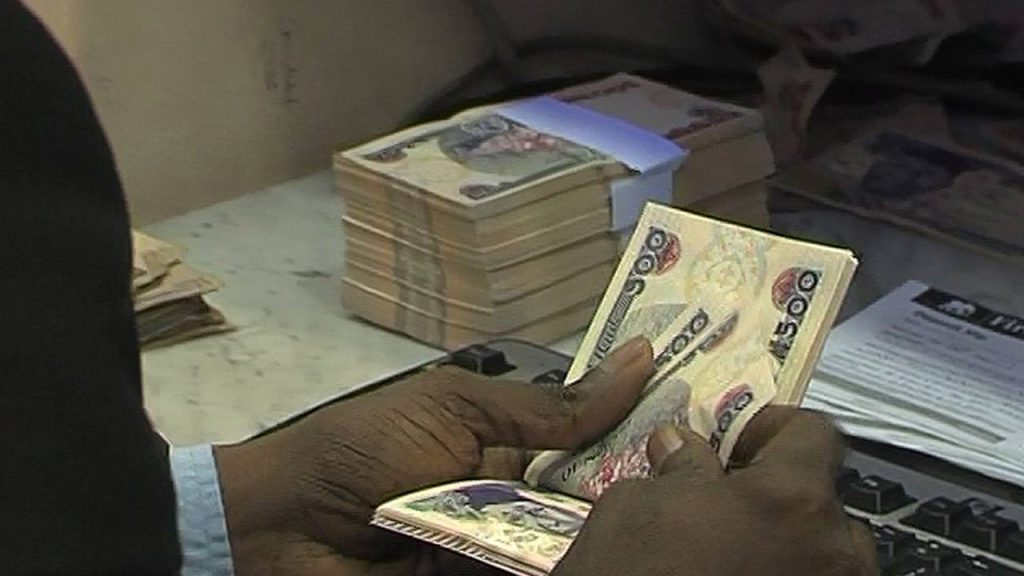
As of May 19, 2026, the exchange rate of the Nigerian naira against the US dollar has been subject to notable fluctuations, driven primarily by persistent demand for foreign currency from importers and manufacturers. Despite ongoing efforts by the Central Bank of Nigeria to stabilize the naira, pressures from the foreign exchange market continue to mount, revealing the challenges within the economy.
Market analysts have pointed out that the demand for dollars remains high, particularly in sectors reliant on imports. “The relentless pressure on the naira reflects not just local economic conditions but also global factors impacting trade,” said Dr. Amina Bello, an economist at the Nigerian Institute of Economic Studies. This underscores the complexities of Nigeria's economic landscape, where external influences intertwine with domestic needs.
Looking ahead, the outlook for the naira remains uncertain. While monetary policies may offer temporary relief, sustained improvement will likely depend on broader economic reforms and enhanced production capacities. Stakeholders will be closely monitoring developments as Nigeria navigates these turbulent waters in its quest for economic stability.