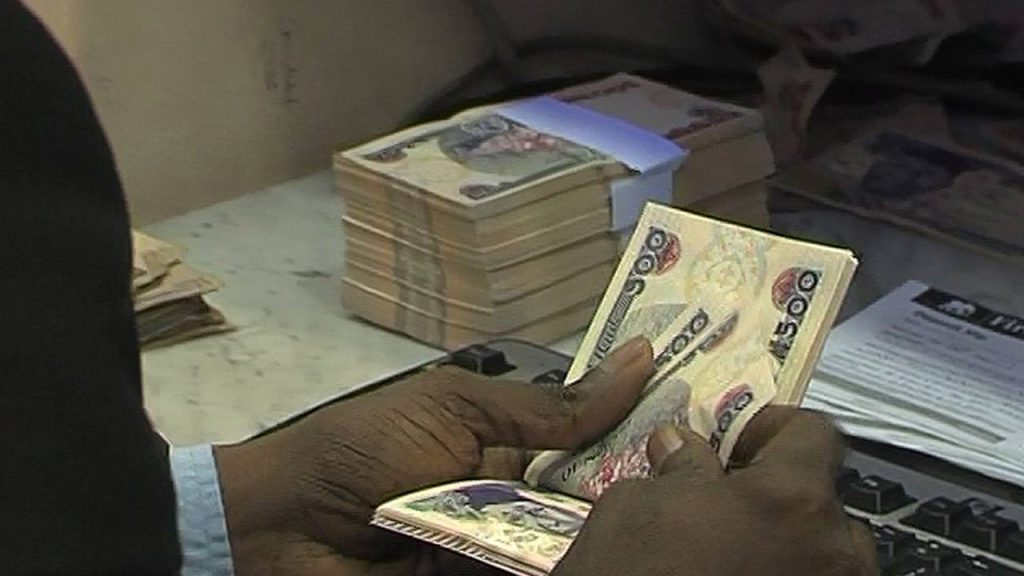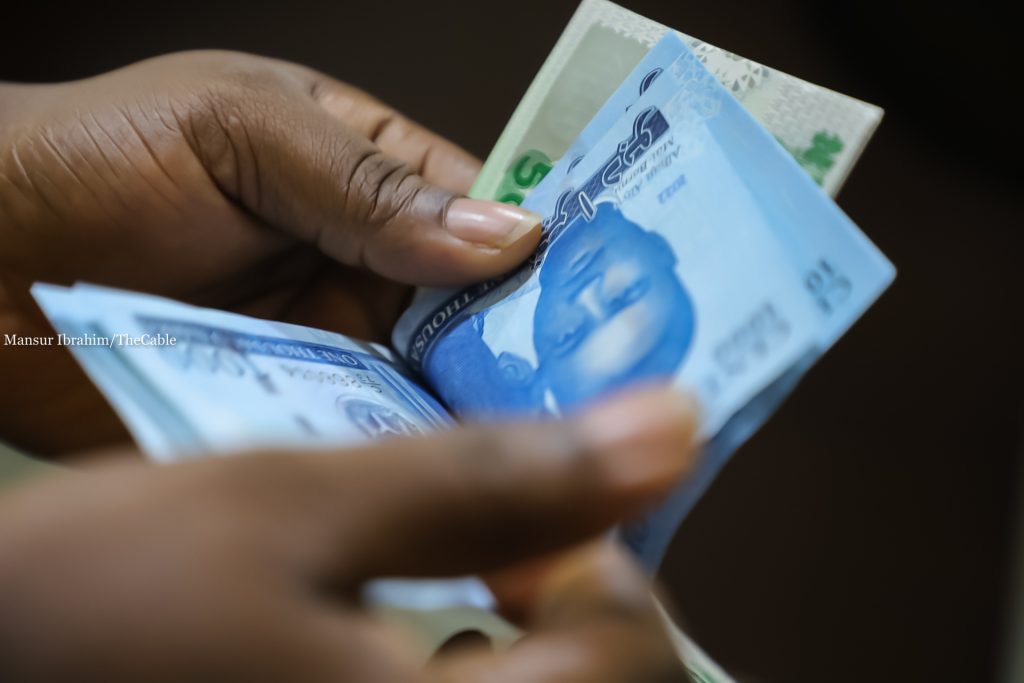
In the bustling streets of Lagos, where the ebb and flow of commerce dictate the rhythm of daily life, a subtle but significant financial shift is unfolding. The Nigerian Naira, long beleaguered by economic tumult and policy missteps, has shown a glimmer of resilience. Trading at N1,388 per US dollar in the parallel market, the currency has inched up from its previous rate of N1,395. This modest yet notable appreciation offers a flicker of hope to a nation eager for economic stability.
The history of Nigeria's currency woes is both intricate and storied. As Africa's largest economy, Nigeria has grappled with a challenging cocktail of fiscal imbalances, policy inconsistency, and external pressures. The Naira's journey over the past decades has been marked by volatility, reflecting broader economic struggles. These have included a heavy reliance on oil revenues, which expose the nation to the vagaries of global oil prices, and the challenges of managing foreign exchange reserves in a manner that supports growth while maintaining currency stability.
Institutional actors have played significant roles in navigating these choppy waters. The Central Bank of Nigeria (CBN), charged with the Herculean task of currency stabilization, has implemented a variety of measures over the years.